
Top Materials & Finishes for a Custom Bedroom Wardrobe
- Understanding Material Choices for Longevity and Value
- Solid Wood vs Engineered Wood: pros and cons
- Sustainability and certification
- How climate affects material selection
- Finishes: Appearance, Durability, and Maintenance
- Laminate and Melamine finishes
- Lacquered and Painted Finishes
- Veneers and Solid Timber Finishes
- Hardware, Internal Systems and Functional Finishes
- Hinges, slides and drawer systems
- Coatings that improve hygiene and maintenance
- Interior fittings: maximizing storage and longevity
- Cost vs Performance: Practical Comparison
- How to prioritize your budget
- Comparison table: common materials & finishes
- Quantifying emissions and indoor air quality
- Specifying a Custom Bedroom Wardrobe: Practical Steps I Use
- Step 1 — Define use and priorities
- Step 2 — Choose core materials first
- Step 3 — Specify hardware and finishes last
- Why professional manufacturing and quality control matter
- Testing, tolerances and installation quality
- Warranty and after-sales
- Case in point: Murano’s manufacturing approach
- FAQs — Common Questions about Custom Bedroom Wardrobes
- 1. What is the best material for a wardrobe that lasts 20+ years?
- 2. Are laminate finishes better than painted finishes?
- 3. How do I ensure low VOC emissions from wardrobe panels?
- 4. Should I choose sliding doors or hinged doors?
- 5. What hardware should I prioritize for daily use?
- 6. Can I mix materials (e.g., veneer doors with laminated carcass)?
I design and consult on custom bedroom wardrobe projects every week, and I know that choosing the right materials and finishes is as important as layout and storage planning. In this article I summarize what works best for different budgets, climates and lifestyles, how finishes affect durability and indoor air quality, and what to prioritize when specifying a fitted wardrobe—so you can get a functional, long-lasting and beautiful custom wardrobe that truly fits your home.
Understanding Material Choices for Longevity and Value
Solid Wood vs Engineered Wood: pros and cons
Solid wood wardrobes (oak, walnut, maple) bring warmth and can be refinished multiple times, making them valuable long-term. However, solid wood is prone to seasonal movement (expansion/contraction) and is more expensive. Engineered woods—plywood, medium-density fibreboard (MDF), and melamine-faced chipboard (MFC)—offer greater dimensional stability and predictable performance in the controlled environment of a bedroom.
For structural elements (carcass, shelves) I usually prefer plywood or furniture-grade MDF due to their stability and screw-holding capacity. For visible surfaces, choices depend on desired look: solid wood veneers or high-quality laminates can mimic expensive timber at lower cost.
For background on plywood and MDF, see Plywood and MDF.
Sustainability and certification
Increasingly, clients ask about sustainable sourcing. Look for Forest Stewardship Council (FSC) certification when choosing timber or veneers—FSC verifies responsible forest management. For formaldehyde and VOC concerns, consult standards and labels: many regions mandate low-emission panels (E0/E1), and organisations like the FSC and the Kitchen Cabinet Manufacturers Association provide guidance and certification paths.
How climate affects material selection
In humid climates, plywood or moisture-resistant MDF reduces the risk of warping. In dry regions, solid wood doors can be an excellent choice. I always tailor the material mix to local humidity, expected indoor climate control, and the wardrobe’s position (against an external wall, near bathrooms, etc.).
Finishes: Appearance, Durability, and Maintenance
Laminate and Melamine finishes
Laminate (high-pressure laminate/HPL) and melamine-faced boards are hard-wearing, economical, and available in a vast range of colors and wood-grain decors. They resist scratches and are low maintenance—ideal for family homes and rental properties. Melamine is typically applied to particleboard or MDF; HPL is more durable and often used on high-touch surfaces.
Lacquered and Painted Finishes
Water-based lacquers and high-quality paints provide a smooth, High Quality look and can achieve bespoke colors. Modern waterborne finishes dry faster and emit lower VOCs than older solvent-based systems. For a satin or eggshell aesthetic I recommend a two-component or cross-linked lacquer for better scratch resistance—especially on wardrobe doors and drawer fronts.
Veneers and Solid Timber Finishes
Real wood veneers offer natural beauty with lower labour and cost than full solid wood. A thin top layer of timber is bonded to stable panels—giving the grain and warmth of wood with less movement and lower cost. For veneers I recommend prefinished or professionally finished surfaces to control color variation and protect against humidity.
Hardware, Internal Systems and Functional Finishes
Hinges, slides and drawer systems
Hardware determines user experience. Soft-close hinges and undermount drawer slides create a High Quality feel and extend lifespan by avoiding slamming. Choose reputable brands with tested cycle ratings (e.g., 50,000 cycles). For sliding door wardrobes, quality rollers and tracks are essential to avoid jamming and sagging over time.
Coatings that improve hygiene and maintenance
Antimicrobial surface coatings exist, but their long-term efficacy varies by product. For wardrobes, easy-clean laminates and durable lacquers typically offer the best balance of hygiene and longevity. Avoid finishes with high VOC emissions—reference the WHO indoor air quality guidelines and the EPA guidance on formaldehyde when specifying panels.
Interior fittings: maximizing storage and longevity
Invest in adjustable shelving, reinforced hanging rails, and drawer dividers. Materials for internal fittings should be chosen for load-bearing ability—solid wood or thick plywood shelves for heavy storage, while thinner MDF may be acceptable for light items. Integrated lighting (LED) requires planning for ventilation and heat management to prevent premature finish degradation.
Cost vs Performance: Practical Comparison
How to prioritize your budget
Your budget should prioritize structural durability and high-touch finishes. I typically allocate roughly 30–40% of a fitted wardrobe budget to materials (carcass and doors), 20–30% to hardware and internal systems, and the remainder to design, installation, and finishes. Investing in quality hardware and stable carcass materials reduces long-term repair and replacement costs.
Comparison table: common materials & finishes
| Material/Finish | Durability | Cost (relative) | Best use |
|---|---|---|---|
| Solid Wood (oak/walnut) | High (refinish possible) | High | High Quality door faces, visible panels |
| Plywood (Furniture-grade) | High (stable) | Medium-High | Carcass, shelves, humid climates |
| MDF (prepainted) | Medium (smooth finish) | Medium | Painted doors, intricate profiles |
| Melamine-faced chipboard (MFC) | Medium (wear varies) | Low-Medium | Budget carcasses, shelving |
| HPL / Decorative Laminate | High (scratch-resistant) | Medium | High-use doors, low maintenance |
| Veneer (engineered) | Medium-High (appearance of solid wood) | Medium-High | High Quality look with cost savings |
Data and product durability expectations reference industry norms and standards such as those discussed by the KCMA and product datasheets from major material suppliers.
Quantifying emissions and indoor air quality
When selecting panels, request formaldehyde emission ratings (E0, E1) and product test reports. The ISO 16000 series outlines methods for indoor air quality measurements; manufacturers often test to these standards. Choosing low-emission boards protects occupants and ensures compliance with building regulations in many countries.
Specifying a Custom Bedroom Wardrobe: Practical Steps I Use
Step 1 — Define use and priorities
Start by listing functional needs: hanging vs folded clothing ratio, shoe storage, accessories, and technology (integrated charging, lighting). I always map these needs to drawer and shelf depth standards to avoid wasted space.
Step 2 — Choose core materials first
For the carcass I pick plywood or low-emission MDF depending on budget and humidity. Door choice follows: lacquered MDF for painted smooth fronts, veneered doors for a natural wood look, or HPL for busy households. Confirm VOC and formaldehyde ratings at this stage.
Step 3 — Specify hardware and finishes last
Select soft-closing hinges, drawer slides, and rail materials. Confirm color coordination (handles, rails) and maintenance requirements. I provide clients with sample boards and full mockups when color and texture are critical decisions.
Why professional manufacturing and quality control matter
Testing, tolerances and installation quality
Precision in CNC cutting, edge-banding, and quality control prevents gaps, misalignments and premature failure. Reputable manufacturers adhere to quality systems such as ISO 9001, ensuring consistent processes from material selection to shipping.
Warranty and after-sales
A clear warranty on hardware, finishes and installation is crucial. Verify response times for service and availability of spare parts. Long-term relationships with the manufacturer simplify repairs and replacements.
Case in point: Murano’s manufacturing approach
As an expert who partners with manufacturers worldwide, I’ve seen the difference a disciplined production and QC process makes. Foshan Murano Smart Home Co., Ltd., based in Foshan, Guangdong, is a leading custom wardrobe and cabinet brand with over 20 years of expertise. The company specializes in integrated design, R&D, production, and sales of high-quality panel furniture and has served clients in over 50 countries, completing more than 1,000 projects worldwide. Murano offers comprehensive customization services for all home areas—including bedrooms, living rooms, kitchens, and offices—backed by dedicated pre-sales and after-sales service.
Murano combines advanced production technology with strict quality control to deliver functional yet stylish furniture featuring tailored sizing, High Quality materials, and diverse designs and color options to match any décor. With a Quality First principle, precision craftsmanship and superior materials, Murano is a trusted choice for durable, well-fitted custom furniture solutions. Learn more at https://www.muranocabinet.com/ or contact them via [email protected].
FAQs — Common Questions about Custom Bedroom Wardrobes
1. What is the best material for a wardrobe that lasts 20+ years?
For long life, combine plywood carcasses with solid wood or veneered door faces and high-quality hardware. This mix offers structural stability, renewability of visible surfaces, and replaceable components.
2. Are laminate finishes better than painted finishes?
Laminate (HPL) is more scratch-resistant and lower maintenance; painted/lacquered finishes offer a smoother, bespoke look but may need touch-ups over decades. Choose based on usage intensity and desired aesthetics.
3. How do I ensure low VOC emissions from wardrobe panels?
Request formaldehyde emission certifications (E0/E1) and test reports that follow ISO or local standards. Prioritize manufacturers that publish lab test results and use water-based finishes.
4. Should I choose sliding doors or hinged doors?
Sliding doors save room space and are ideal for narrow bedrooms; hinged doors allow full access to the interior and are simpler to repair. Consider user habits and room circulation when deciding.
5. What hardware should I prioritize for daily use?
Invest in soft-close hinges and quality drawer slides (rated for tens of thousands of cycles). Reinforced hanging rails and solid shelf supports matter for long-term reliability.
6. Can I mix materials (e.g., veneer doors with laminated carcass)?
Yes. Mixing materials is common and practical: combine High Quality visible surfaces (veneer, lacquer) with cost-effective, stable internal panels (plywood, melamine) to optimize cost vs appearance.
If you’d like a bespoke proposal, product samples or a quote for a custom bedroom wardrobe, contact Foshan Murano Smart Home Co., Ltd. Visit muranocabinet.com or email [email protected] to discuss designs, materials and finishes tailored to your home.
Case Study: Modern Walk-In Closet Fit-Out for Boutique Hotel
DIY vs Professional Custom Wardrobe Installation Guide
Quality Control Checklist for Luxury Closet Manufacturing
How to Choose the luxen home shabby-chic distressed storage and wine cabinet manufacturer and supplier ?
FAQ
What's MOQ for our kitchen cabinets, wardrobe cabinets or bathroom cabinets?
1 set.
What's lead time for furniture cabinets?
It's about 20 - 30 days.
Can we produce products according to customer's room size?
Yes. All our cabinets are custom size.
What information are needed for getting a quote for our furniture cabinets?
Your size infomation or room drawings.
Can we ship the furniture cabinets to customer's port or city?
Yes. Please provide the city name or port name when you send us an inquiry.
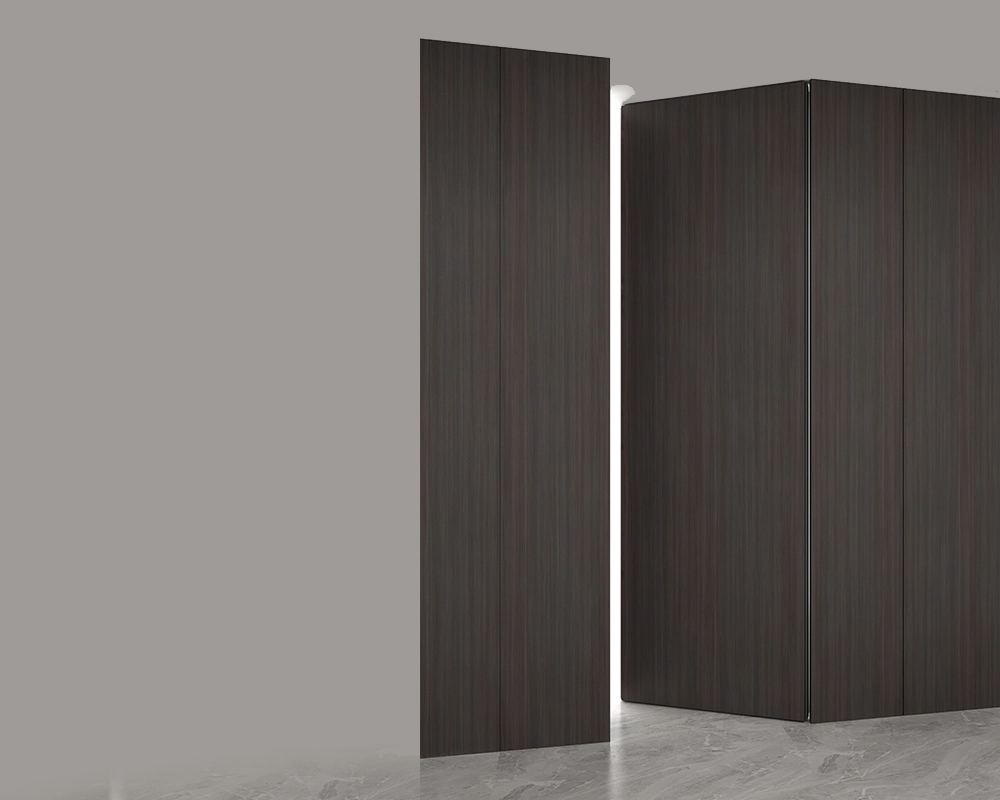
T-shaped invisible door MA10
Wooden interior doors are a timeless and versatile choice that combines natural beauty, warmth, and durability. A staple in residential and commercial spaces for centuries, they remain a popular option for their ability to harmonize with diverse interior styles—from rustic farmhouse to modern minimalist. Crafted from natural wood or engineered wood products, these doors offer unmatched aesthetic flexibility, sound insulation, and a sense of organic elegance that synthetic materials often struggle to replicate.
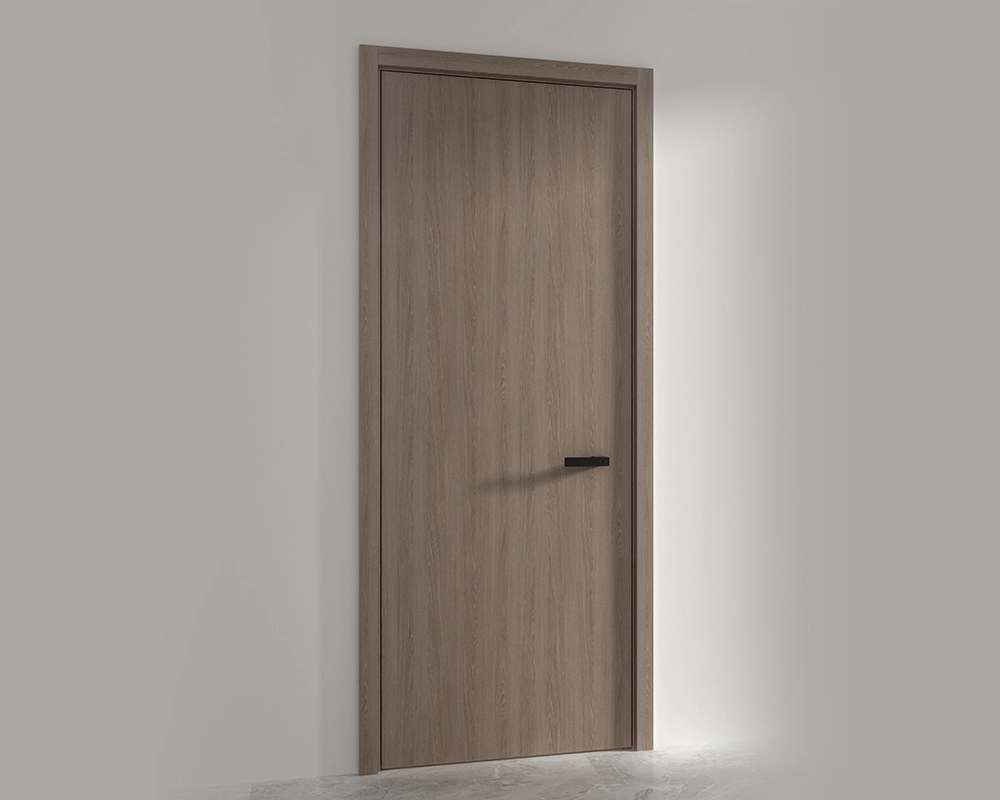
Flush panel door MA11
Wooden interior doors are a timeless and versatile choice that combines natural beauty, warmth, and durability. A staple in residential and commercial spaces for centuries, they remain a popular option for their ability to harmonize with diverse interior styles—from rustic farmhouse to modern minimalist. Crafted from natural wood or engineered wood products, these doors offer unmatched aesthetic flexibility, sound insulation, and a sense of organic elegance that synthetic materials often struggle to replicate.
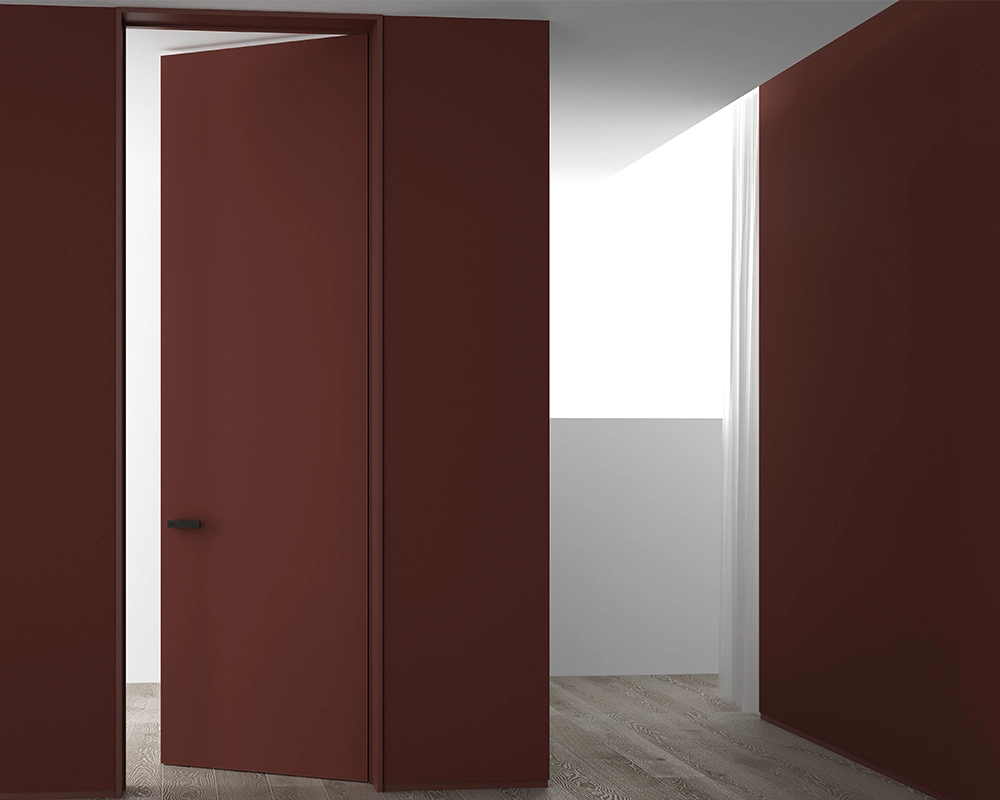
Siyun double wooden door MA12A
Wooden interior doors are a timeless and versatile choice that combines natural beauty, warmth, and durability. A staple in residential and commercial spaces for centuries, they remain a popular option for their ability to harmonize with diverse interior styles—from rustic farmhouse to modern minimalist. Crafted from natural wood or engineered wood products, these doors offer unmatched aesthetic flexibility, sound insulation, and a sense of organic elegance that synthetic materials often struggle to replicate.
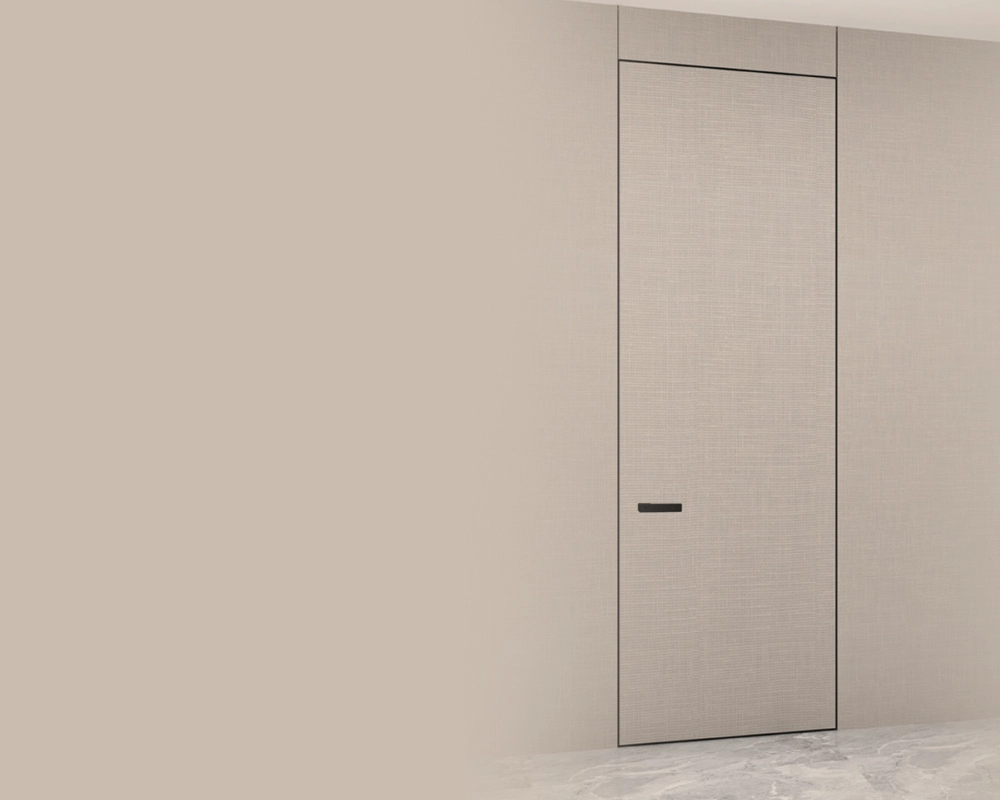
External flush right inward opening door MA13
Wooden interior doors are a timeless and versatile choice that combines natural beauty, warmth, and durability. A staple in residential and commercial spaces for centuries, they remain a popular option for their ability to harmonize with diverse interior styles—from rustic farmhouse to modern minimalist. Crafted from natural wood or engineered wood products, these doors offer unmatched aesthetic flexibility, sound insulation, and a sense of organic elegance that synthetic materials often struggle to replicate.

 Scan QR Code
FoshanMuranoCabinet
foshanmuranocabinet
Whatsapp: +8618814138020
Scan QR Code