
Complete Guide to Sourcing Wholesale Kitchen Cabinets and Bathroom Vanities
Learn the critical differences between sourcing wholesale kitchen cabinets and custom bathroom vanities for commercial builds. This guide covers core material selection, moisture control, and how to vet a reliable manufacturer to ensure your multi-unit project stays on time and on budget.
- The Realities of Buying in Bulk for Commercial Projects
- Navigating the Kitchen Cabinet Ecosystem
- Core Materials That Survive Daily Abuse
- The Importance of Advanced Edge Banding
- Why Bathroom Vanities Require a Different Approach
- Marine-Grade Engineering for Wet Zones
- The Appeal of Custom Wood Furniture in High-End Builds
- Creating Visual Continuity Across the Floor Plan
- How to Evaluate Your Manufacturing Partner
- Conclusion
- Frequently Asked Questions (FAQ)
- 1. Is it better to ship wholesale cabinets fully assembled or flat-packed?
- 2. Can I use the same core materials for my kitchens and bathroom vanities?
- 3. What is PUR edge banding and why does it matter?
- 4. How can I ensure the wood finishes match across different rooms in my project?
Anyone who has managed the interior fit-out for a multi-unit residential building or a large hospitality project knows the sinking feeling of opening a shipping container only to find mismatched finishes or warped panels. When you are dealing with hundreds of rooms, you are not just buying cabinetry; you are buying dimensional accuracy, logistical predictability, and long-term durability.
Sourcing millwork and storage solutions at scale is arguably the most complex part of a commercial build. Standard retail furniture simply cannot withstand the heavy daily use of a hotel room or a rental apartment, and trying to retrofit off-the-shelf pieces into non-standard architectural spaces is a recipe for blown budgets.
This guide breaks down the reality of sourcing large-scale cabinetry. We will explore the material science behind durable kitchens, the unique environmental challenges of bathroom vanities, and how to evaluate a factory partner before you sign a multi-container purchase order.
The Realities of Buying in Bulk for Commercial Projects
There is a massive difference between designing a single luxury kitchen for a private homeowner and designing 200 kitchens for an apartment complex. In a single-home project, if a cabinet is half an inch too wide, a carpenter can usually scribe it to the wall on-site. In a multi-unit development, that exact same half-inch error creates a cascading disaster that delays plumbing, electrical work, and countertop installations across the entire building.
This is why your supply chain is just as important as your floor plan. Finding a reliable kitchen cabinet making supplier is about finding a partner who understands industrial-scale precision.
When you order in bulk, the factory must possess the advanced machinery necessary to ensure that cabinet number one is mathematically identical to cabinet number two hundred. They need automated CNC routing, precise edge-banding technology, and a quality assurance process that catches human error before the products are loaded onto a cargo ship.
Navigating the Kitchen Cabinet Ecosystem
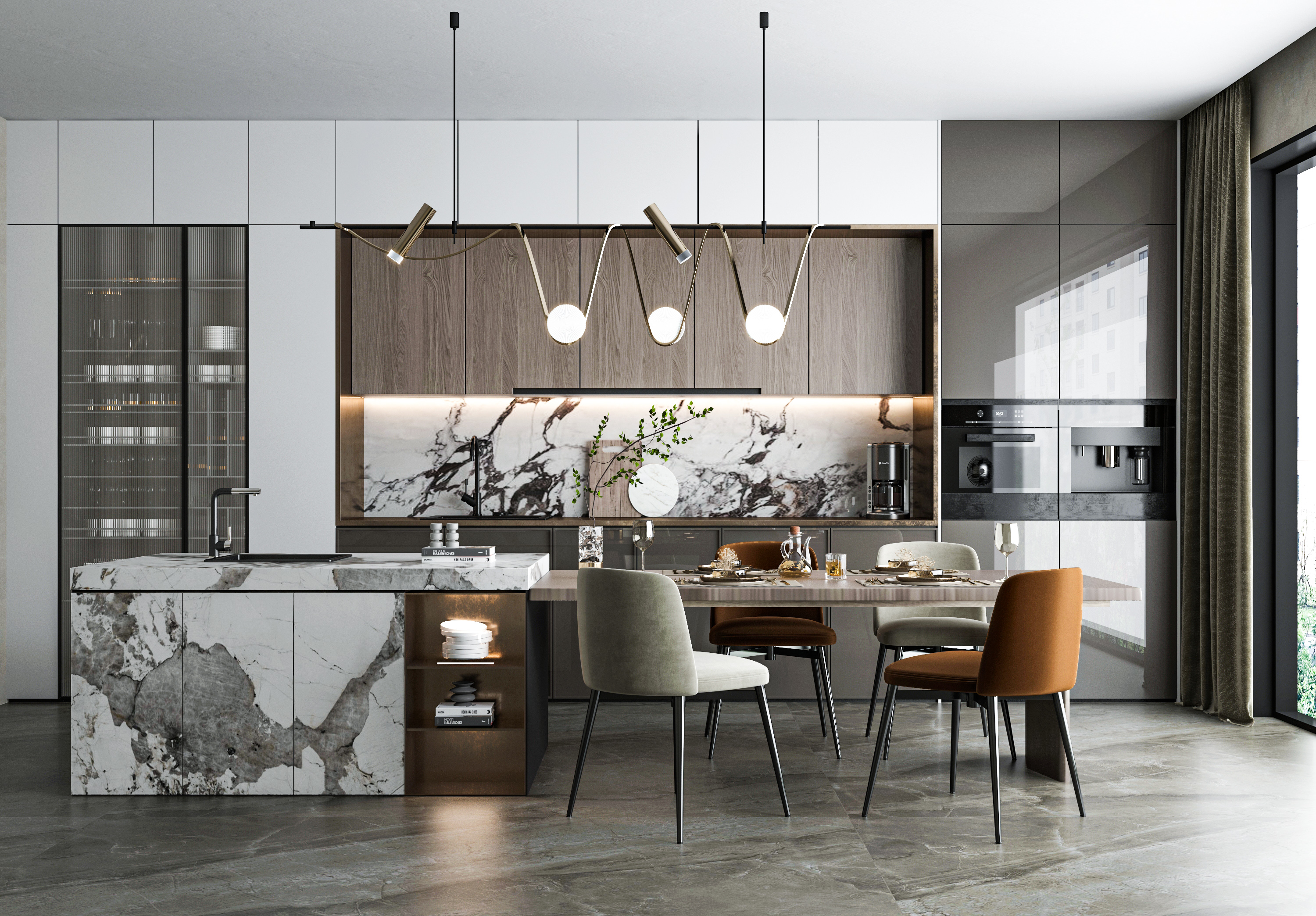
The kitchen is the functional heart of any residential unit, and it takes the heaviest beating. From the impact of slamming drawers to the constant exposure to cooking heat, boiling water, and food spills, kitchen cabinet requires serious structural engineering.
Core Materials That Survive Daily Abuse
Many procurement managers try to cut costs by specifying standard particleboard for kitchen carcasses (the structural boxes of the cabinets). While this might look fine on installation day, particleboard has poor screw-holding capacity. After a year of heavy pots and pans being pulled in and out, the hinge screws will strip, and the doors will begin to sag.
Instead, experienced developers lean toward moisture-resistant MDF or high-quality plywood for the core structure. Plywood offers superior structural integrity and grips heavy-duty hardware tightly. Once the core is established, the focus shifts to the doors and drawer fronts. Modern commercial builds frequently utilize high-pressure laminates (HPL) or thermally fused melamine. These finishes resist scratching, do not fade under UV light from large kitchen windows, and are incredibly easy for maintenance teams to wipe down between tenant turnovers.
The Importance of Advanced Edge Banding
If there is a secret killer of commercial kitchens, it is moisture penetrating the edges of the cabinet doors. This usually happens near the sink or the dishwasher. When sourcing wholesale, you must ask the factory about their edge-banding process. Traditional EVA glue can melt or degrade when exposed to the steam of a dishwasher opening. A sophisticated manufacturer will use PUR (Polyurethane) edge banding, which creates a waterproof, nearly invisible seal around the board, drastically extending the life of the kitchen.
Why Bathroom Vanities Require a Different Approach
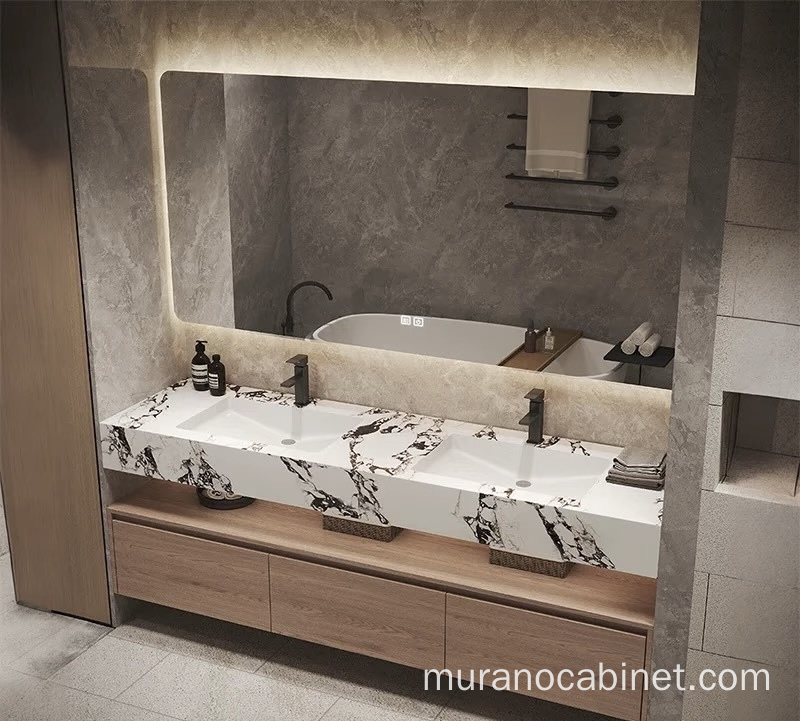
It is a common mistake to assume that the factory building your kitchens can automatically use the exact same specifications for your bathrooms. Bathrooms are highly volatile micro-climates. They experience rapid temperature fluctuations and extreme humidity on a daily basis.
When vetting a specialized custom bathroom cabinet supplier, the conversation must revolve entirely around water resistance. Standard wood composites will absorb ambient humidity, causing the vanity to swell, warp, and eventually harbor mold.
Marine-Grade Engineering for Wet Zones
For commercial bathroom vanities, you need to upgrade the core material specifications. Marine-grade plywood or specialized moisture-resistant HDF (High-Density Fiberboard) are the industry standards for these wet zones. Furthermore, the hardware used in a bathroom needs a higher grade of rust resistance.
Imagine outfitting a boutique hotel near the coast. The combination of ocean air and hot shower steam will rust standard steel hinges in a matter of months. A knowledgeable supplier will automatically specify stainless steel or heavily treated soft-close hardware to prevent the loud slamming of vanity doors from echoing through hotel walls late at night.
The Appeal of Custom Wood Furniture in High-End Builds
While laminates and melamine dominate the high-traffic areas of kitchens and bathrooms, luxury developments often require a warmer, more organic touch to elevate the space. This is where integrating custom wood furniture and natural veneers comes into play.
Creating Visual Continuity Across the Floor Plan
In high-end condos or executive office suites, designers want the space to feel cohesive. Having a stark, glossy kitchen transition abruptly into a cheap-looking living room ruins the aesthetic. Sourcing custom wood elements—such as built-in media centers, solid wood floating shelves, or intricate bedroom wardrobes—from the same manufacturer ensures that the wood grains and stain colors match perfectly across the entire floor plan.
Real wood veneer applied over a stable plywood core offers the best of both worlds: it provides the rich, authentic texture of solid timber while resisting the warping and cracking that solid wood often experiences in climate-controlled commercial buildings. When a developer successfully matches the walnut veneer of the kitchen island to the custom wood TV cabinet in the living room, the perceived value of the property skyrockets.
How to Evaluate Your Manufacturing Partner
Once you have your materials spec'd out, the final hurdle is evaluating the factory's operational capabilities. You can have the best design in the world, but if the factory cannot package and ship it properly, it is useless. When auditing a potential factory, pay close attention to three critical areas:
- Prototyping Capabilities: A factory should never push you to mass production based on a digital drawing. They should have a dedicated R&D team that produces a physical corner sample or a complete prototype of the cabinet. You need to physically test the drawer slides and inspect the edge banding before approving a 500-unit run.
- Assembly vs. Flat-Pack Logistics: You need to decide how the cabinets will ship. Ready-to-Assemble (RTA) flat-pack cabinets fit more tightly into shipping containers, saving you thousands in ocean freight. However, they require your on-site contractors to spend hundreds of hours assembling them. Alternatively, shipping the cabinets fully assembled takes up more container space but allows your team to simply unbox and install them in minutes. A good manufacturer will run the math for both options so you can see which yields a better total ROI for your specific timeline.
- Quality Control Checkpoints: Ask the factory where their QA checkpoints are located on the assembly line. Inspections should not only happen at the end; they should happen after the wood is cut, after the edge banding is applied, and before the final packaging is sealed.
Conclusion
Successfully sourcing wholesale cabinetry is an exercise in risk mitigation. It requires balancing aesthetic desires with harsh commercial realities, understanding the physical limits of materials, and treating the overseas supply chain as an integral part of your construction timeline.
When you approach procurement systematically—vetting for true manufacturing capability, demanding waterproof engineering for wet zones, and prioritizing structural integrity—you remove the friction from the installation process.
To explore how these core principles apply across different product categories and spaces in your development, read our comprehensive overview on Wholesale Custom Furniture Lines: Precision Manufacturing for Every Space. It breaks down the structural differences and design benefits of coordinating your cabinetry, wall panelling, and specialty pieces with a single custom manufacturer.
Frequently Asked Questions (FAQ)
1. Is it better to ship wholesale cabinets fully assembled or flat-packed?
Flat-packed cabinets save significant money on international shipping costs, while fully assembled cabinets cost more to ship but drastically reduce the labor time and complexity of on-site installation.
2. Can I use the same core materials for my kitchens and bathroom vanities?
It is highly recommended to upgrade bathroom vanities to marine-grade plywood or moisture-resistant HDF, as standard kitchen cabinet cores may swell when exposed to the extreme humidity of a bathroom.
3. What is PUR edge banding and why does it matter?
PUR (Polyurethane) edge banding uses an advanced, highly durable adhesive that creates a waterproof seal around the edges of cabinet doors, preventing moisture damage and peeling in commercial environments.
4. How can I ensure the wood finishes match across different rooms in my project?
The most effective way to guarantee consistent finishes, textures, and quality across kitchens, bathrooms, and living areas is to consolidate your entire custom order with a single, capable manufacturing facility.
How to Make Traditional Kitchen Cabinets Look Modern
Wholesale Custom Furniture Lines: Precision Manufacturing for Every Space
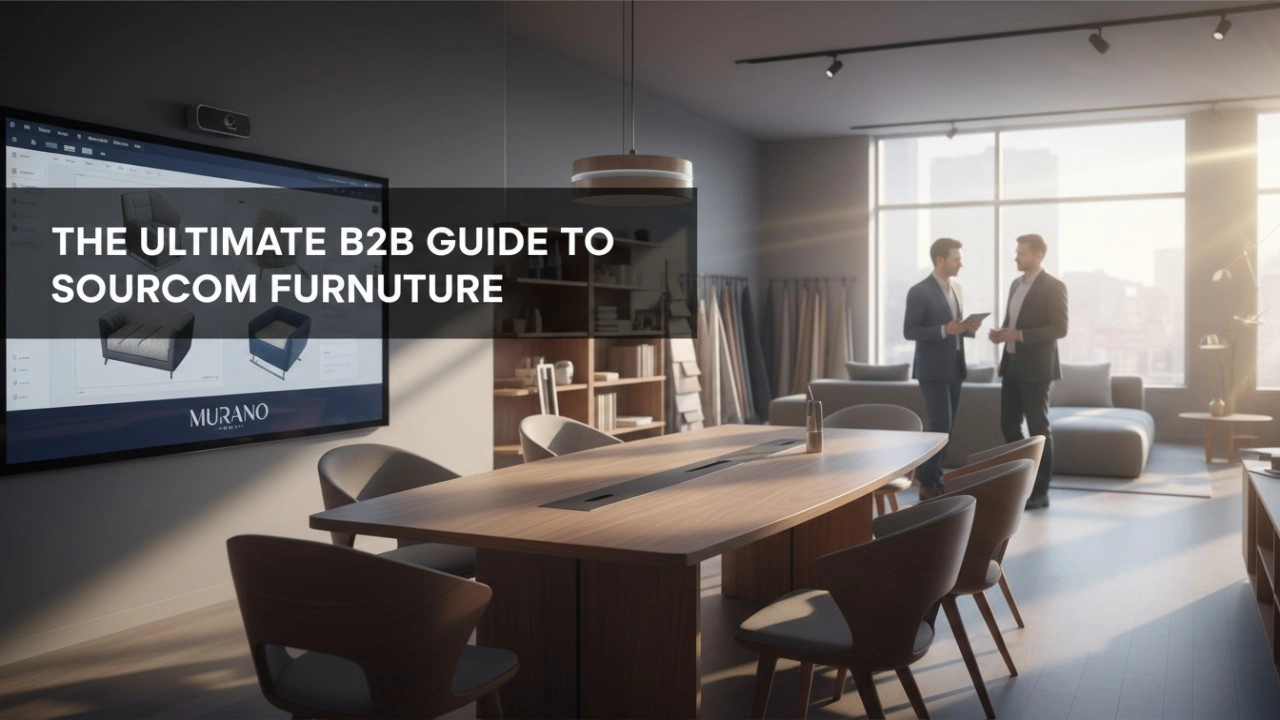
How to Streamline B2B Custom Furniture Procurement: A Step-by-Step Industry Guide
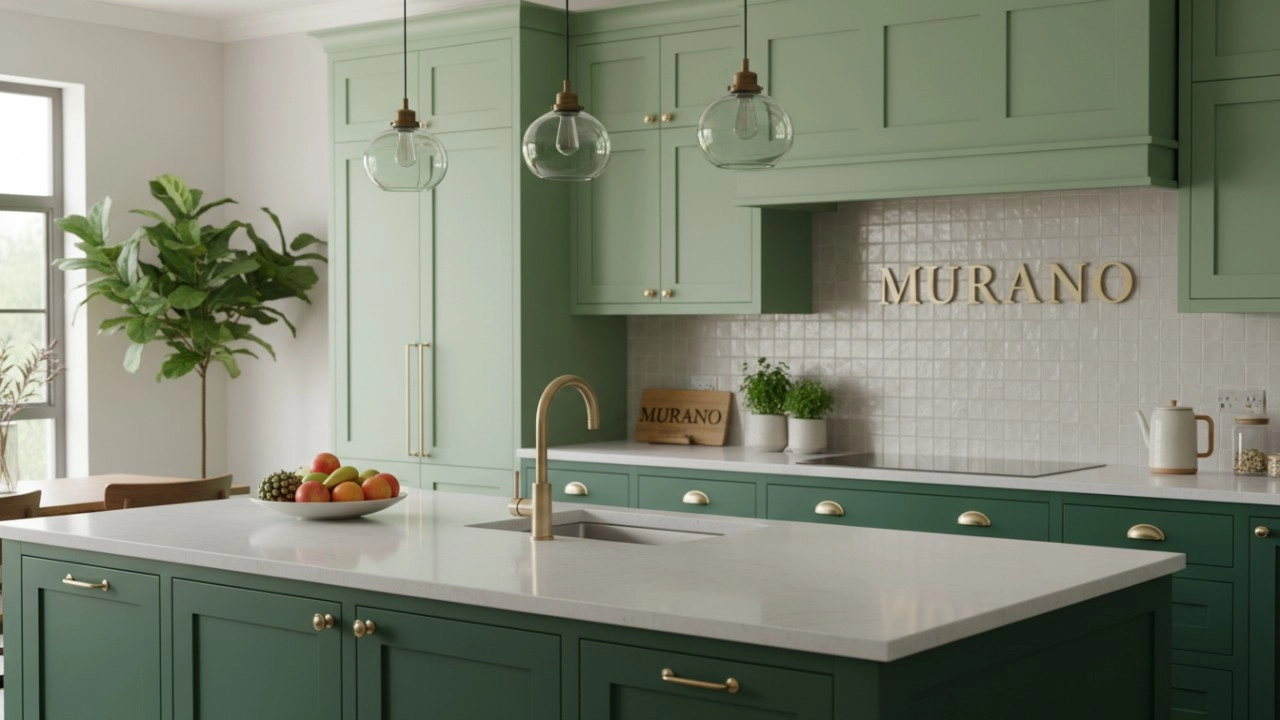
Green Kitchen Cabinets vs. Blue: Why Green is the New Neutral for Modern Homes in 2026
FAQ
What's MOQ for our kitchen cabinets, wardrobe cabinets or bathroom cabinets?
1 set.
What information are needed for getting a quote for our furniture cabinets?
Your size infomation or room drawings.
Can we ship the furniture cabinets to customer's port or city?
Yes. Please provide the city name or port name when you send us an inquiry.
What's lead time for furniture cabinets?
It's about 20 - 30 days.
What's the payment terms of all our products?
T/T (30% inadvance, the balance shall be paid off before delivery), Western Union or L/C.
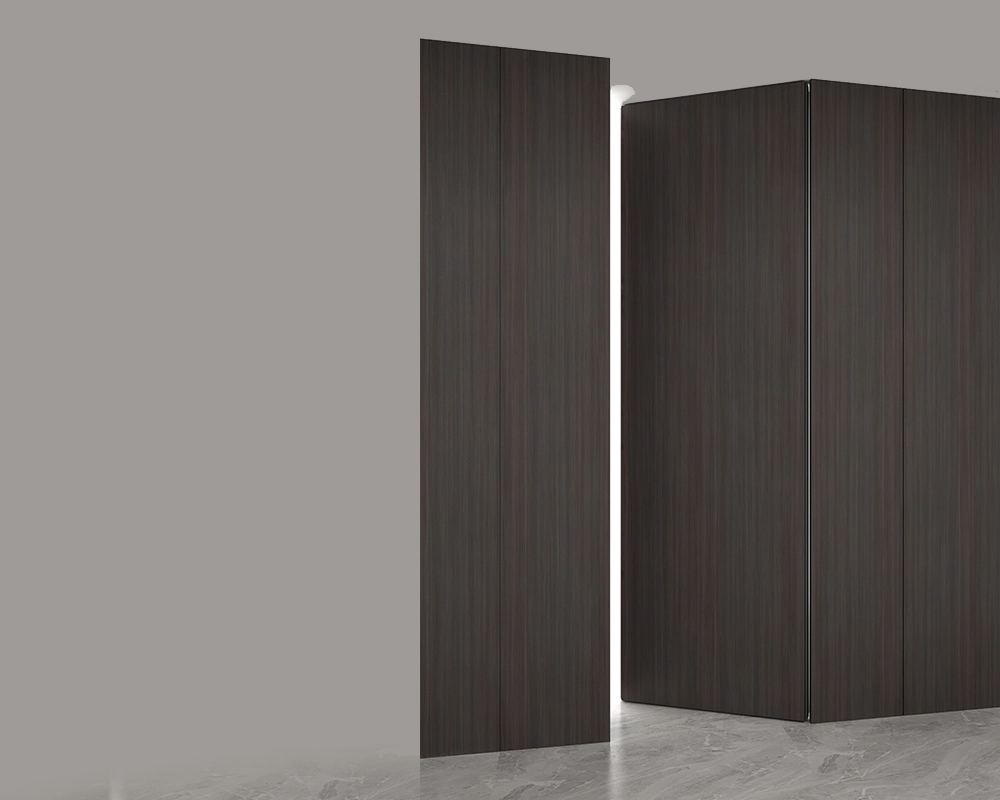
T-shaped invisible door MA10
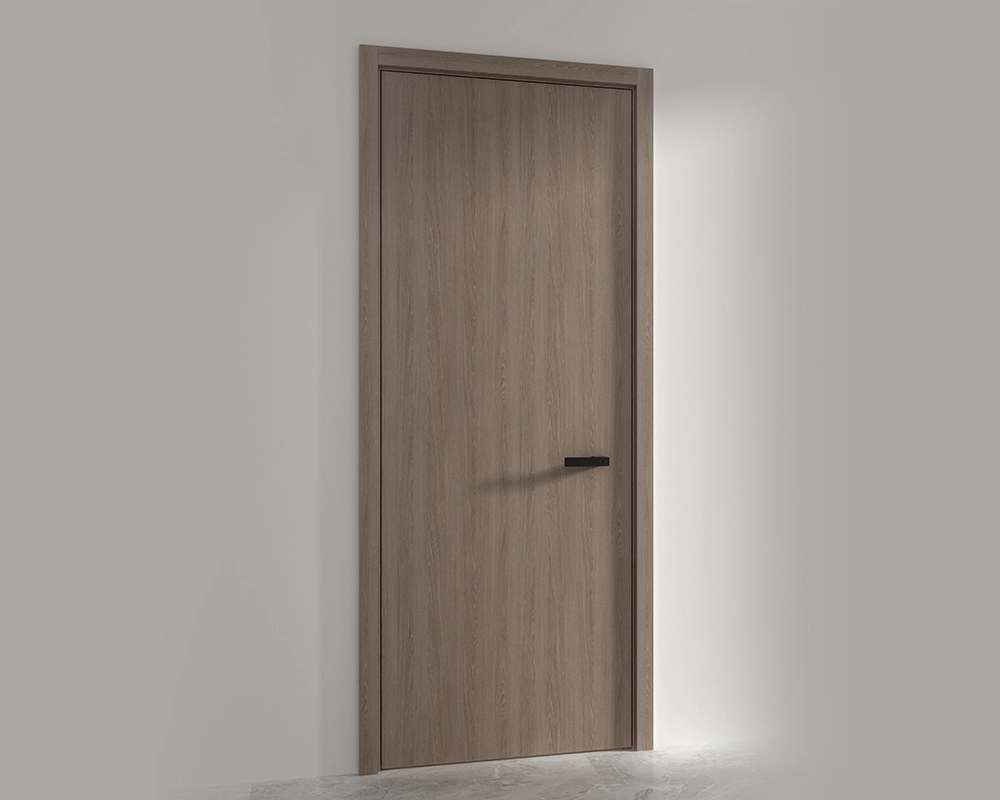
Flush panel door MA11
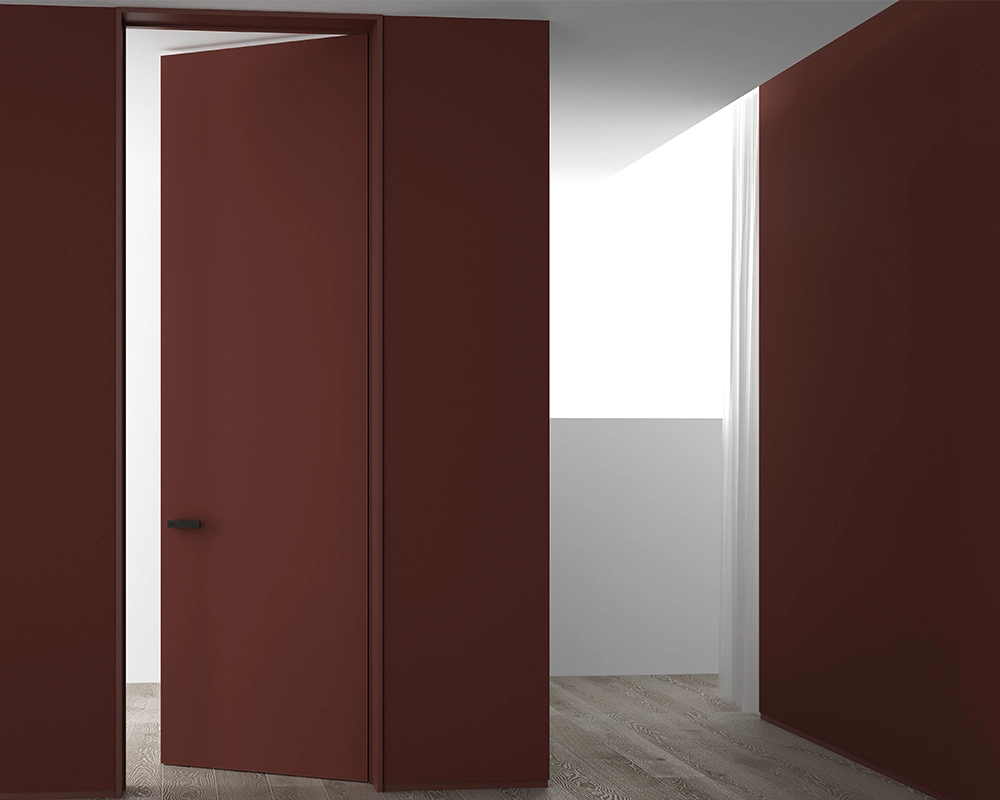
Siyun double wooden door MA12A
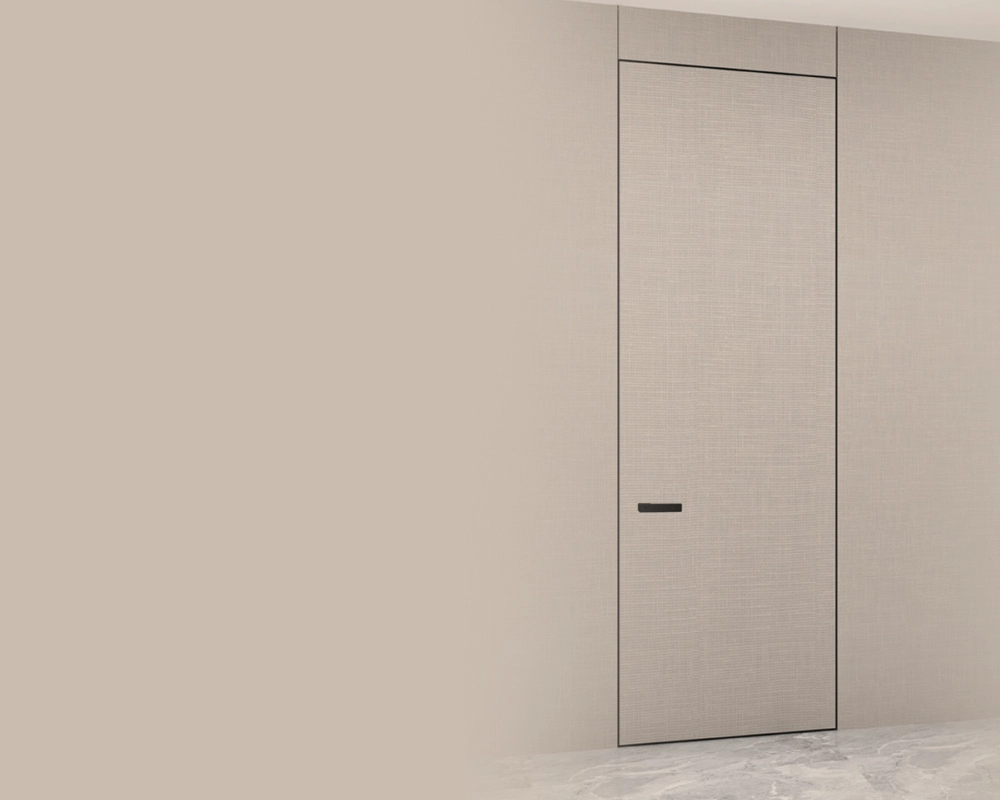
External flush right inward opening door MA13
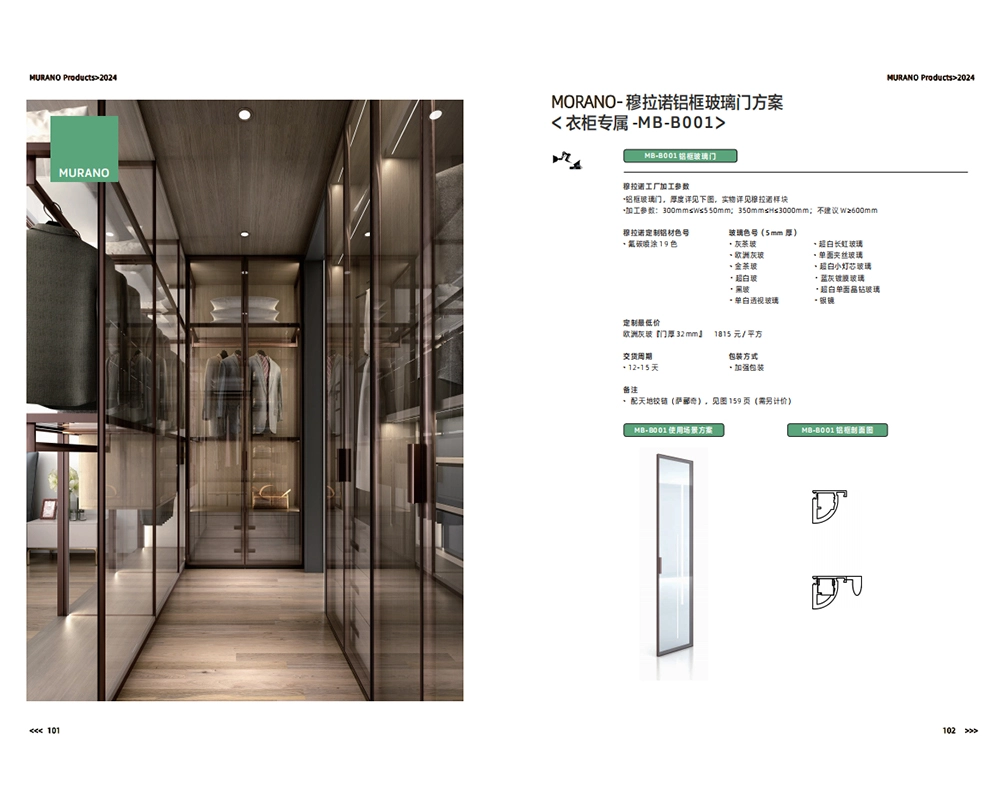
Aluminum Frame Glass Hinged Door - MBB001
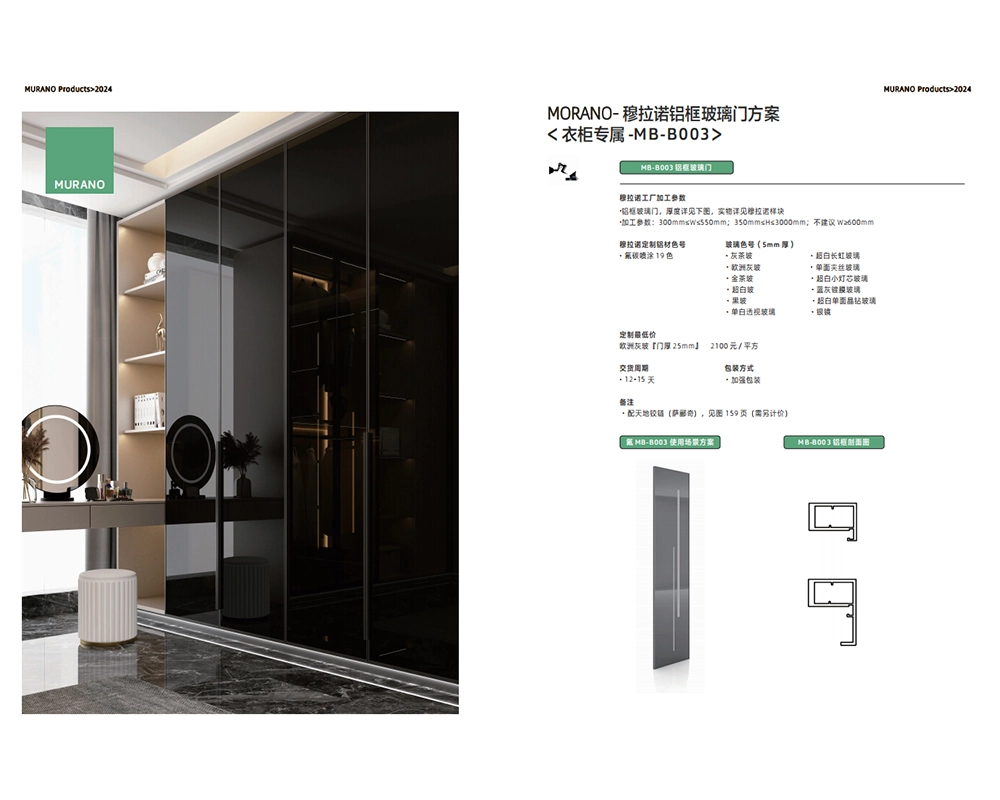
Aluminum Frame Glass Hinged Door - MBB003
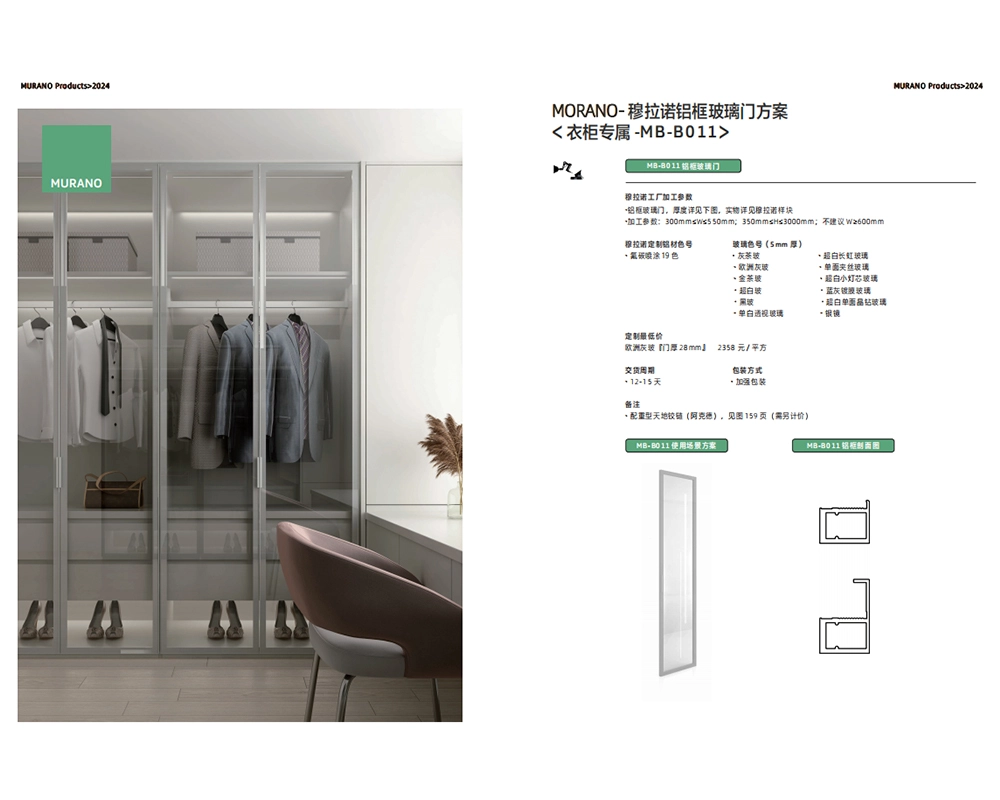
Aluminum Frame Glass Hinged Door - MBB011
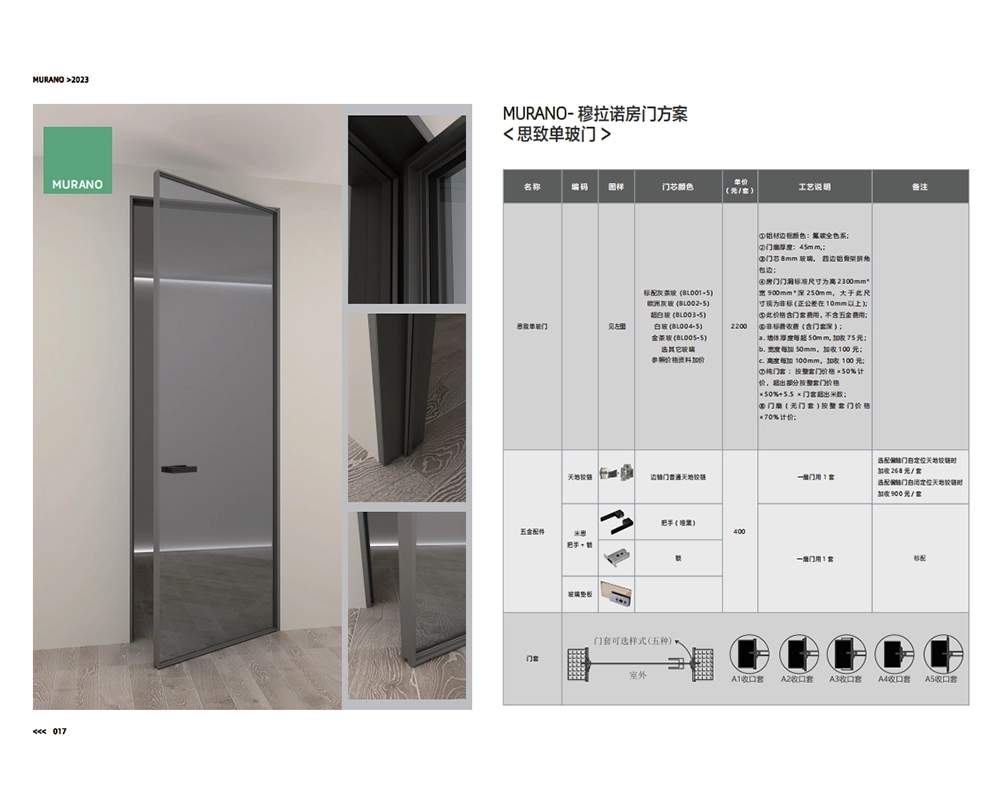
SZ Single side glass interior door
Request a Free Consultation And Price Estimate
Get in touch with Murano today for a personalized consultation, and let us bring your vision to life. Fill out the form below or contact Murano directly to start your journey toward a beautifully tailored home!"

 Scan QR Code
FoshanMuranoCabinet
foshanmuranocabinet
Whatsapp: +8618814138020
Scan QR Code