
Maintenance Tips to Keep Your Custom Luxury Kitchen Cabinets Looking Brand New
Discover expert maintenance tips from MURANO to keep your custom luxury kitchen cabinets looking brand new. Enhance durability and preserve elegance with our proven care methods tailored for high-end cabinetry. Maintain the beauty of your investment effortlessly with MURANO's trusted advice.
- Why Proper Maintenance is Crucial for Luxury Kitchens
- Protecting Your Investment: The Cost of Neglect
- Understanding Your Materials First
- Daily and Weekly Cleaning Routines for Cabinet Care
- The Right Way to Wipe Down Surfaces
- Tackling Spills and Splatters Immediately
- Material-Specific Maintenance Guide
- Caring for PET and Metal Finishes
- Maintaining Solid Wood and Wood Veneers
- Preserving High-Gloss Lacquer Cabinets
- Deep Cleaning and Long-Term Upkeep
- Detailing the Hardware: Hinges, Drawer Glides, and Handles
- Deep Cleaning the Interior Boxes and Shelves
- The "Do Nots": Common Mistakes That Ruin Luxury Cabinets
- Abrasive Sponges and Harsh Chemicals
- Ignoring Moisture and Heat Sources
- Conclusion
- FAQs
Investing in a bespoke kitchen is a significant milestone, transforming the heart of your home into a masterpiece of design and functionality. However, the true test of a premium kitchen is not how it looks on installation day but how it endures daily culinary rigors over the years. Expert custom luxury kitchen cabinets maintenance is the definitive factor that separates a timeless space from one that prematurely ages. This guide delves into the precise protocols required to protect your surfaces, hardware, and structural integrity.
Why Proper Maintenance is Crucial for Luxury Kitchens
Investing in a high-end culinary space is only the beginning; the real challenge lies in preserving its flawless appearance and structural health over the decades. Mastering the nuances of custom luxury kitchen cabinets maintenance ensures that your premium materials continue to function perfectly and look as striking as the day they were first installed by your design team.
Protecting Your Investment: The Cost of Neglect
Neglecting routine upkeep leads to compounding issues that are often irreversible. Micro-scratches dull premium finishes, accumulated grease degrades the protective clear coats, and lingering moisture causes delamination at the seams. Committing to proactive high-end kitchen cabinet care acts as an insurance policy, protecting the aesthetic brilliance and the tangible resale value of your property.
Understanding Your Materials First
Before applying any cleaning agent, you must identify the exact composition of your cabinetry. A chemical solution that sanitizes a quartz countertop might permanently strip the finish off a walnut veneer. Manufacturers engineer different surfaces—from thermoplastic polymers to polyurethane lacquers—with distinct pH tolerances and porosity levels. One size absolutely does not fit all in luxury maintenance.
Daily and Weekly Cleaning Routines for Cabinet Care
Consistency is the secret to longevity in any architectural space. Figuring out how to clean luxury kitchen cabinets on a day-to-day basis does not require hours of aggressive scrubbing, but rather a gentle, systematic approach that prevents airborne cooking grease and dust from polymerizing on the cabinet surfaces.
The Right Way to Wipe Down Surfaces
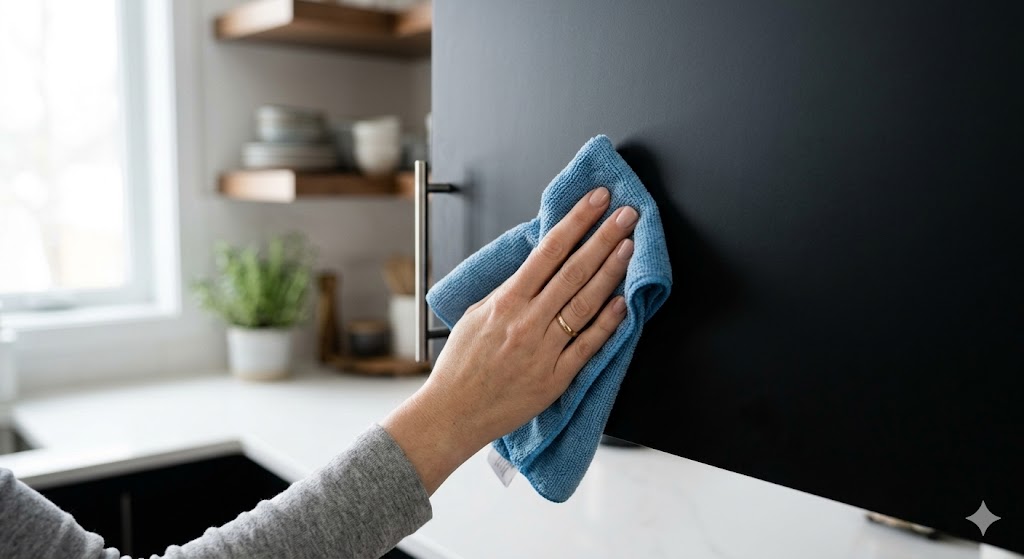
The golden rule of daily care is to use slightly damp, high-quality microfiber cloths. Microfiber lifts and traps dirt rather than pushing it around. Mix a drop of pH-neutral dish soap with warm water, wring the cloth until it is barely moist, and wipe in smooth motions. Crucially, always follow up immediately with a second, completely dry microfiber cloth to buff the surface and remove any residual moisture.
Tackling Spills and Splatters Immediately
Time is your worst enemy when a spill occurs. Acidic substances like tomato sauce, lemon juice, or wine can permanently etch lacquers and stain natural wood if left to sit. Oils and hot grease splatters from the stove can quickly harden into a sticky resin. Wipe these anomalies away immediately with a soft, damp cloth before they have the chance to bond chemically with the cabinet finish.
Material-Specific Maintenance Guide
A universal cleaning approach is a recipe for disaster in a bespoke culinary environment. To properly maintain custom kitchen cabinetry, you must tailor your techniques directly to the molecular structure of your specific door fronts, respecting the unique properties of advanced polymers, natural timbers, and highly reflective resins.
Caring for PET and Metal Finishes
PET (Polyethylene Terephthalate) is celebrated for its extreme durability and soft-touch feel. Cleaning PET kitchen cabinets is straightforward: use a mild soap solution and a soft cloth. Never use ammonia-based glass cleaners or abrasive powders, as they will micro-scratch the matte surface and ruin its anti-fingerprint properties. For the integrated brass or aluminum metal accents, simply wipe them clean and dry them thoroughly to prevent water spots and oxidation.
Maintaining Solid Wood and Wood Veneers
Wood is a hygroscopic material, meaning it constantly breathes and reacts to its environment. Proper wood veneer cabinet maintenance requires wiping strictly in the direction of the wood grain to avoid trapping dirt in the natural pores. Avoid excessive water at all costs. Every six months, apply a high-quality, non-silicone wood polish or beeswax to nourish the veneer and replenish its natural moisture barrier against cracking.
Preserving High-Gloss Lacquer Cabinets
High-gloss lacquer achieves its mirror-like finish through multiple layers of baked paint, making it visually stunning but susceptible to visible scratching. Never wipe a dry lacquer cabinet with a dry cloth, as microscopic dust particles will act like sandpaper. Always use a damp chamois leather cloth or an ultra-plush microfiber towel, applying virtually zero pressure to glide over the surface.
Deep Cleaning and Long-Term Upkeep
Beyond the daily wipe-down, your kitchen requires a biannual deep dive to address the mechanical components and hidden structural elements. This thorough level of custom luxury kitchen cabinets maintenance ensures that your kitchen's sophisticated internal engineering continues to operate with silent, seamless precision.
Detailing the Hardware: Hinges, Drawer Glides, and Handles
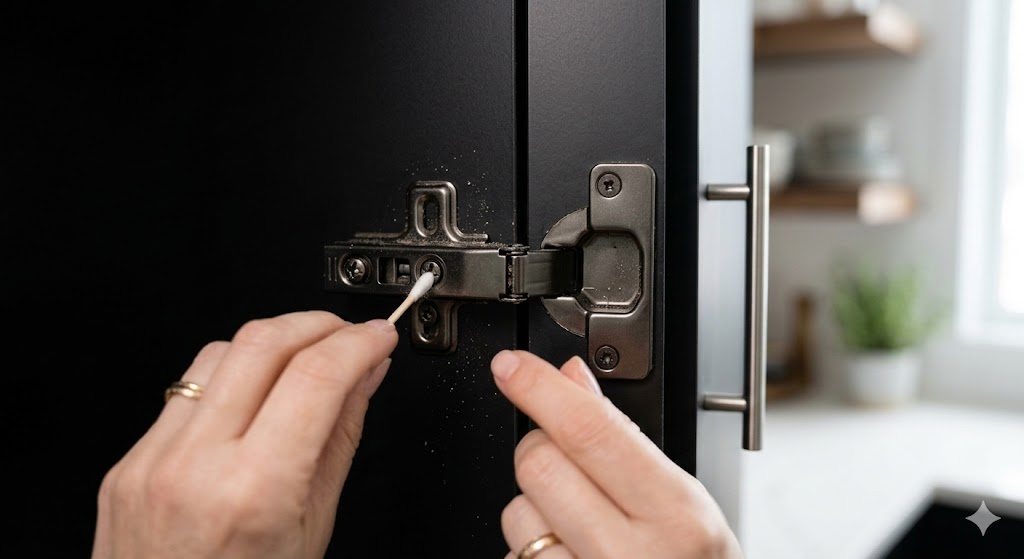
Luxury kitchens utilize heavy-duty, soft-close hardware (such as Blum or Hettich systems) that can accumulate dust and cooking oils in its mechanisms. Use a dry Q-tip or a soft detailing brush to clear debris from hinge crevices. If a drawer feels stiff, apply a brief spray of dry silicone lubricant to the glides—never use oil-based lubricants like WD-40, which attract and trap dirt.
Deep Cleaning the Interior Boxes and Shelves
At least twice a year, completely empty your cabinets. Vacuum the interior corners using a soft brush attachment to remove crumbs and dust. Wipe down the melamine or plywood interior boxes with a mild cleaning solution, paying special attention to the areas around the hinges and the shelf pegs. Ensure the interior is 100% dry before returning your dishes or pantry items.
The "Do Nots": Common Mistakes That Ruin Luxury Cabinets
Even the most well-intentioned homeowner can inadvertently cause irreversible damage to their investment. When researching how to clean luxury kitchen cabinets, understanding the fatal errors to avoid is just as critical as knowing the correct preservation techniques.
Abrasive Sponges and Harsh Chemicals
Never allow Magic Erasers, steel wool, or the rough side of a kitchen sponge to touch your cabinetry. Furthermore, strictly banish harsh chemicals from your cabinet cleaning routine. Bleach will cause white cabinets to yellow, ammonia will strip protective topcoats, and acidic DIY cleaners like undiluted white vinegar can break down the adhesives used in edge banding.
Ignoring Moisture and Heat Sources
Environmental factors are silent killers of premium cabinetry. Placing a steam-emitting appliance, like a rice cooker or boiling kettle, directly underneath your upper cabinets will cause the edge banding to melt and the core board to swell. You must actively work to prevent water damage kitchen cabinets by immediately drying any water that splashes over the sink apron and running your exhaust hood to control indoor humidity while cooking.
Conclusion
The enduring beauty of a bespoke kitchen relies entirely on the care it receives after installation. By understanding the specific needs of your materials, avoiding harsh chemicals, and maintaining a consistent cleaning routine, you guarantee that your luxury investment remains the flawless centerpiece of your home. Treat your cabinetry with the same respect you would a piece of fine furniture, and it will deliver decades of aesthetic and functional excellence.
If you are a builder, designer, or retailer looking to source premium, beautifully engineered products for your next project, Murano custom cabinetry provides unparalleled craftsmanship, advanced PET materials, and factory-direct pricing to elevate your wholesale portfolio. Contact us today to build kitchens that are designed to last.
FAQs
1. How often should I polish my wood veneer cabinets?
You should apply a high-quality, non-wax, non-silicone furniture polish to wood veneer cabinets roughly twice a year. Over-polishing can create a cloudy buildup, while under-polishing can allow the wood to dry out and potentially crack.
2. Can I use a steam cleaner to sanitize my kitchen cabinets?
No. Steam cleaners inject high-temperature moisture into the microscopic seams and edge banding of your cabinets. This extreme heat and moisture combination will rapidly cause the core materials to swell and the adhesives to fail, permanently ruining the doors.
3. What is the best way to clean the handles and pulls without damaging the cabinet door?
Spray your mild cleaning solution directly onto your microfiber cloth, never directly onto the hardware or the door. Carefully wipe the metal handle, ensuring the liquid doesn't drip down the cabinet face. Dry the hardware immediately to prevent water spots or oxidation on brass and nickel finishes.
How to Make Traditional Kitchen Cabinets Look Modern
Custom Made Kitchen Cabinets vs. High-End Semi-Custom: The Definitive Quality & Durability Showdown (2026 Guide)
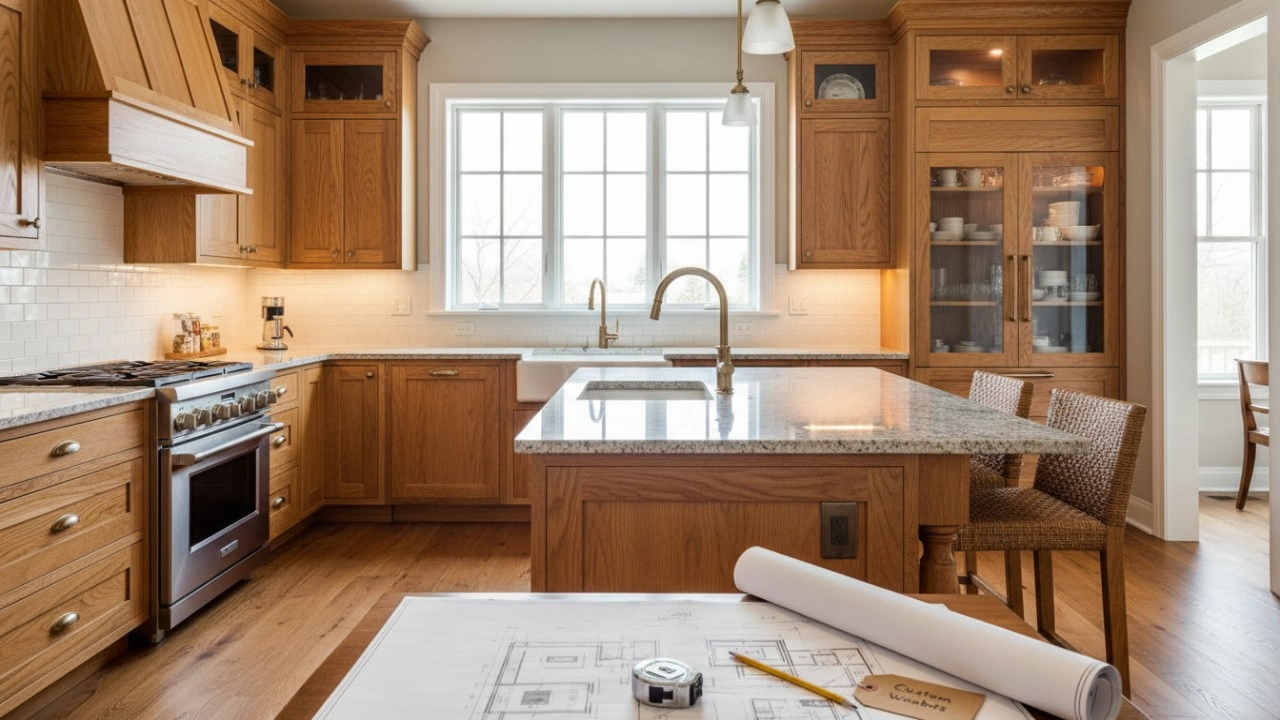
12 Reasons Why Custom Solid Wood Kitchen Cabinets Are the Only Investment That Truly Adds Value to Your Home
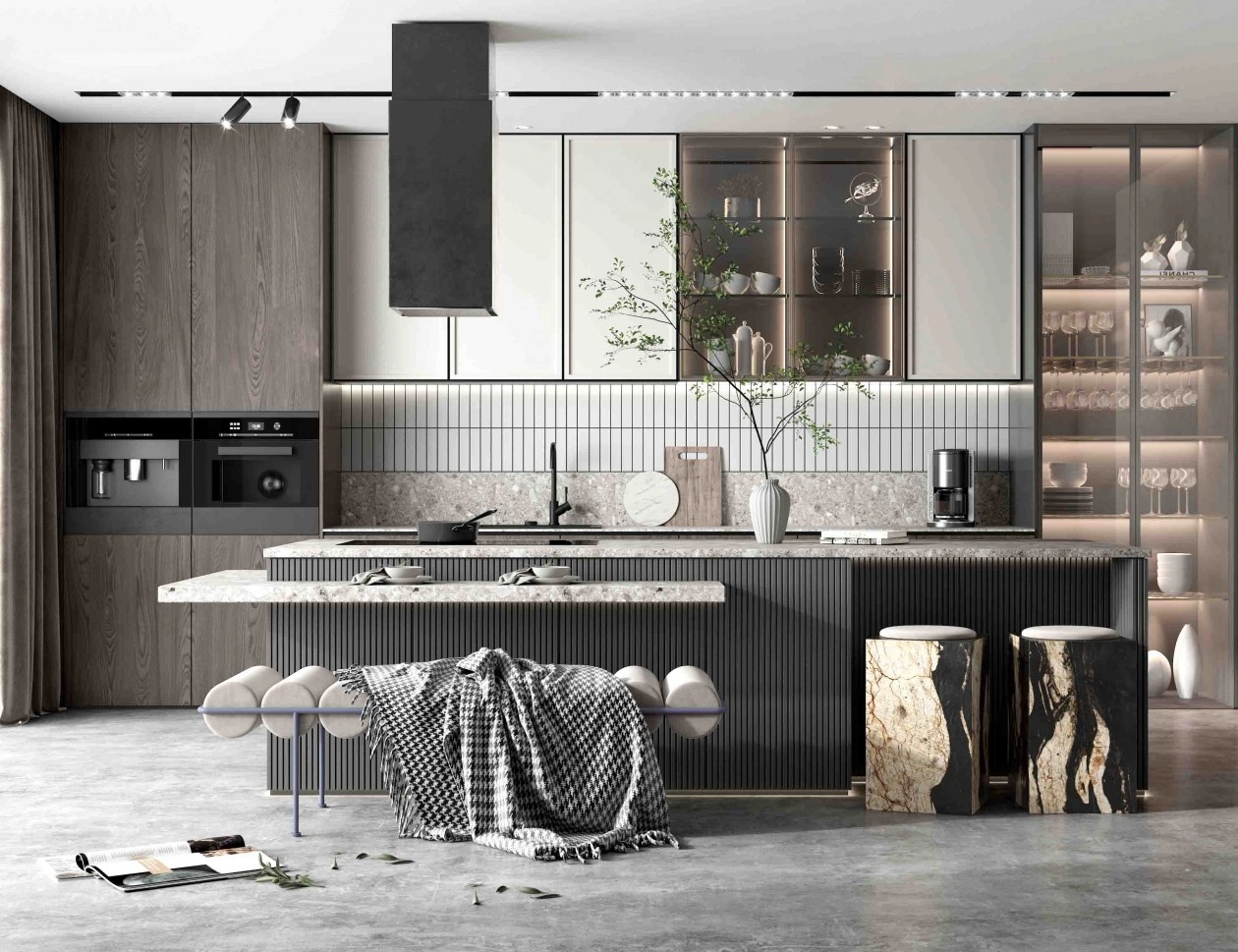
How to Maximize Storage Space with Kitchen Cabinet Inserts
FAQ
What information are needed for getting a quote for our furniture cabinets?
Your size infomation or room drawings.
What's the payment terms of all our products?
T/T (30% inadvance, the balance shall be paid off before delivery), Western Union or L/C.
Can we ship the furniture cabinets to customer's port or city?
Yes. Please provide the city name or port name when you send us an inquiry.
Can we produce products according to customer's room size?
Yes. All our cabinets are custom size.
What's MOQ for our kitchen cabinets, wardrobe cabinets or bathroom cabinets?
1 set.
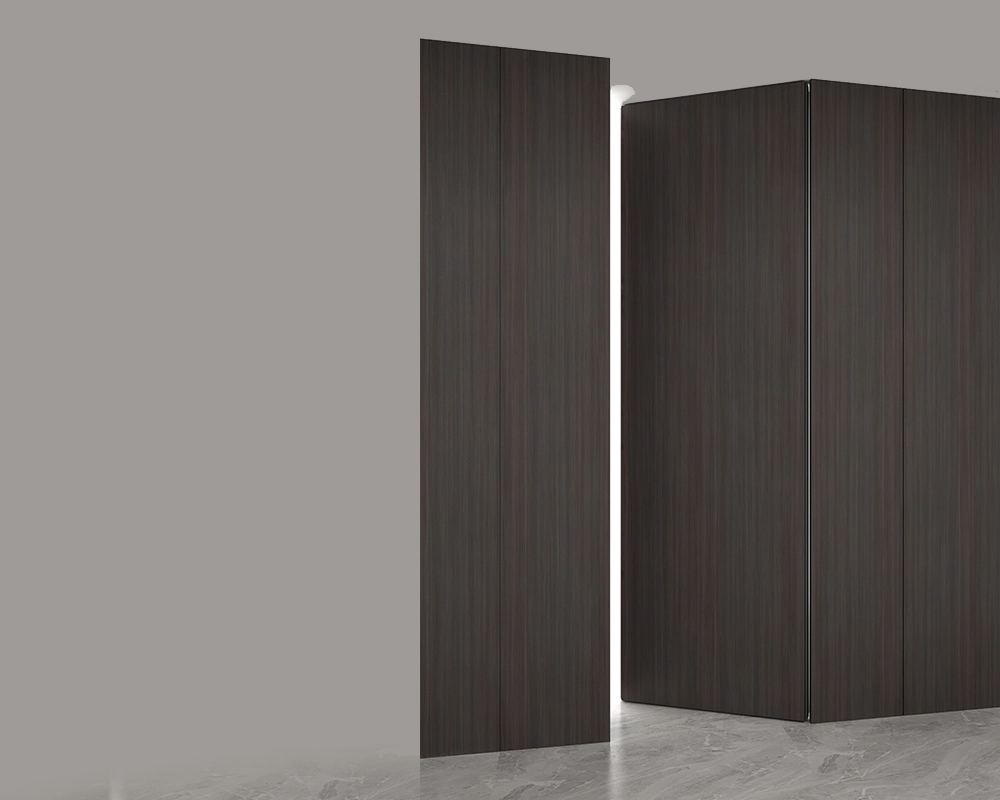
T-shaped invisible door MA10
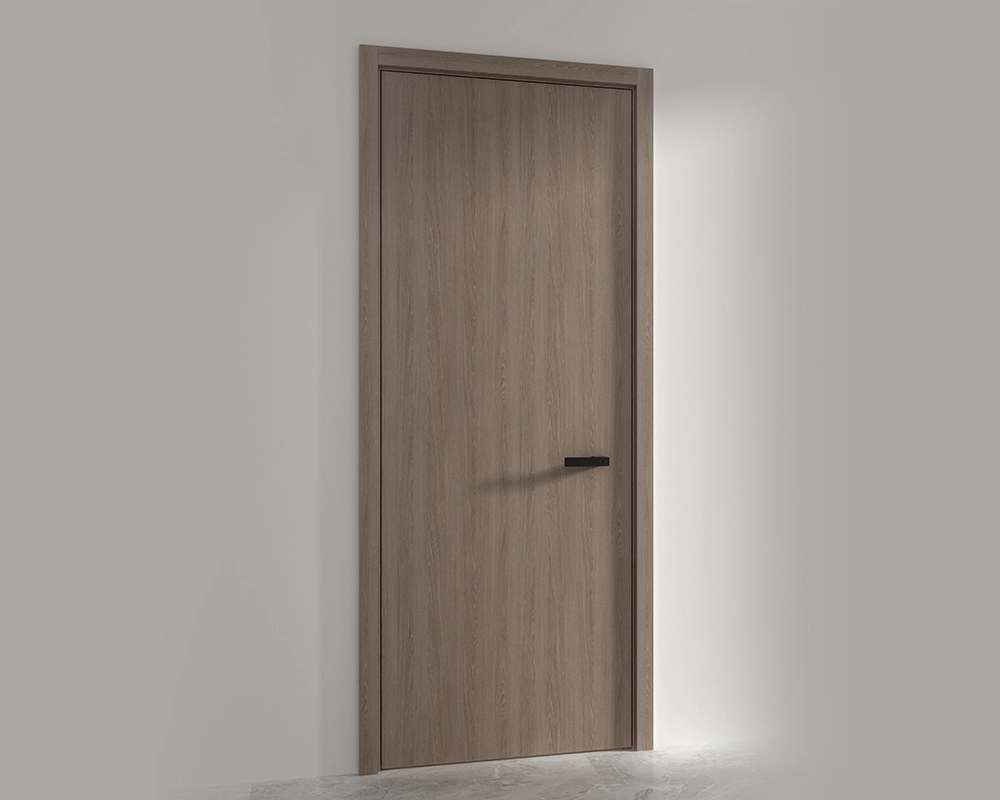
Flush panel door MA11
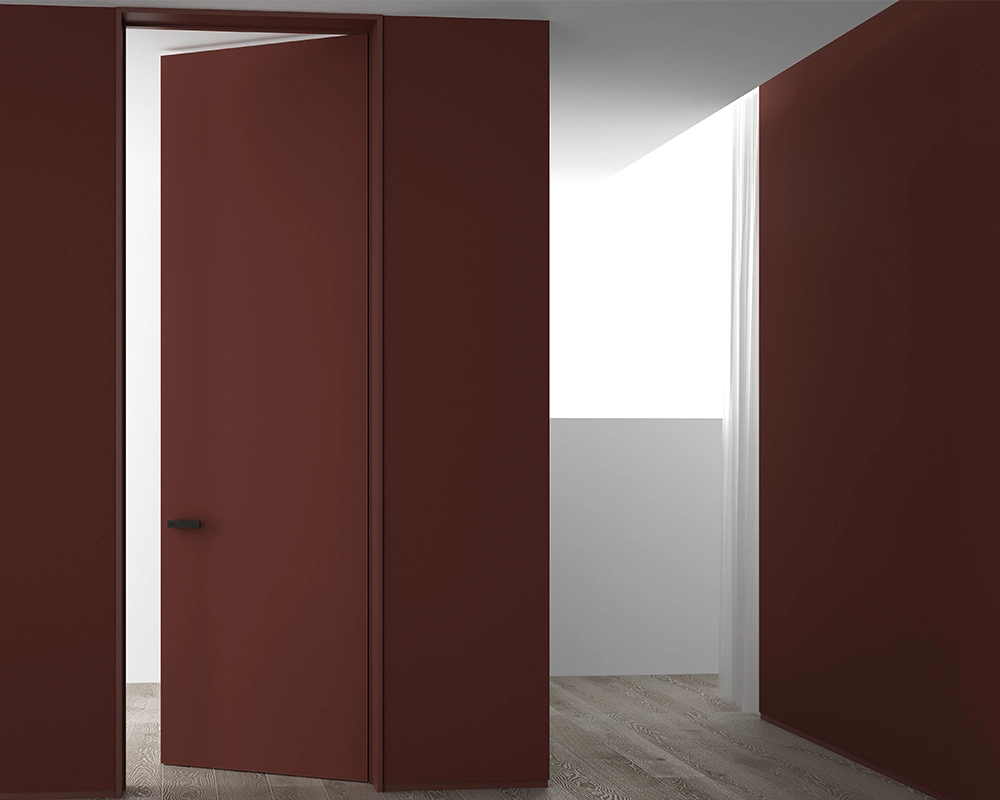
Siyun double wooden door MA12A
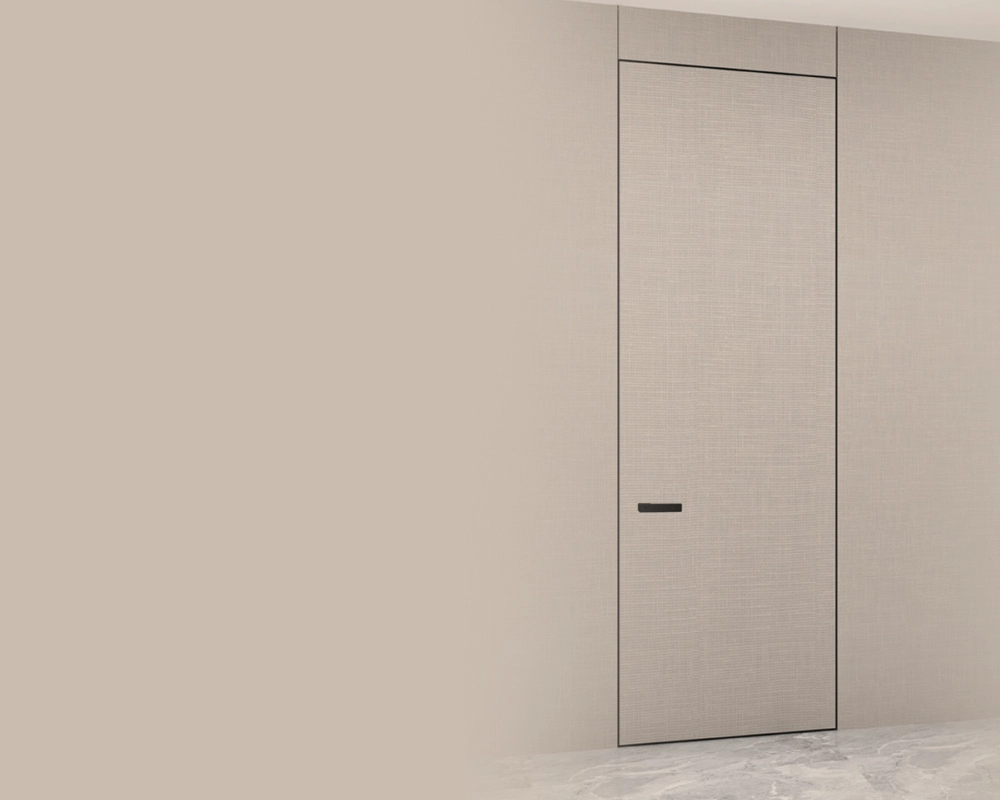
External flush right inward opening door MA13
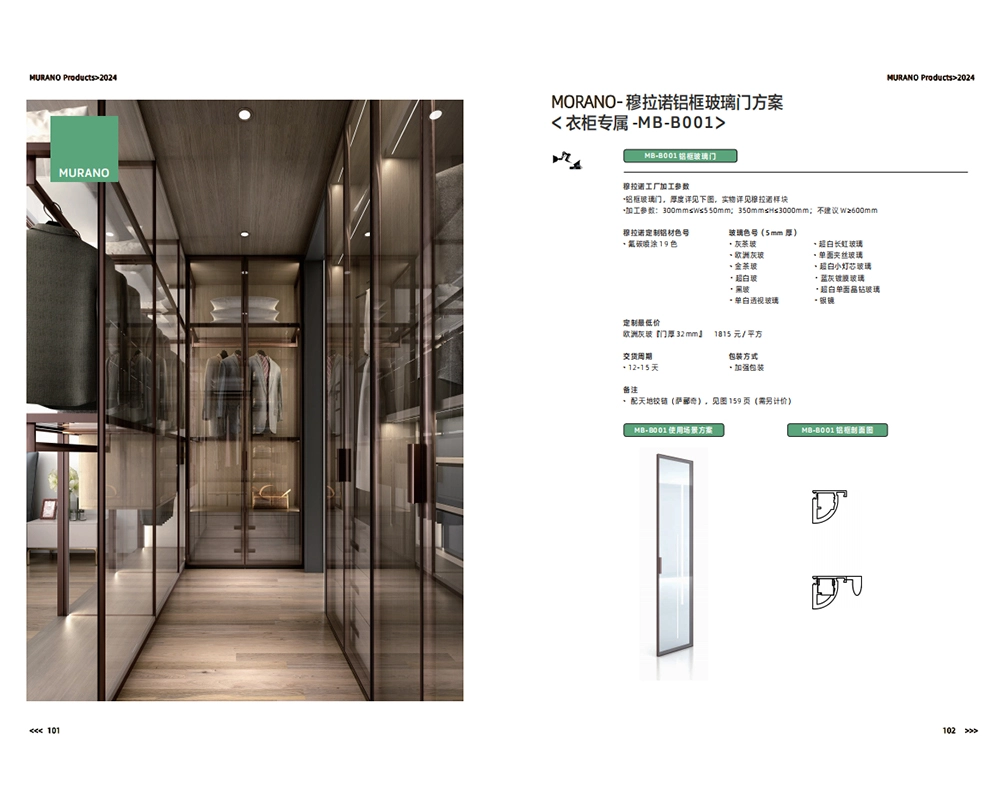
Aluminum Frame Glass Hinged Door - MBB001
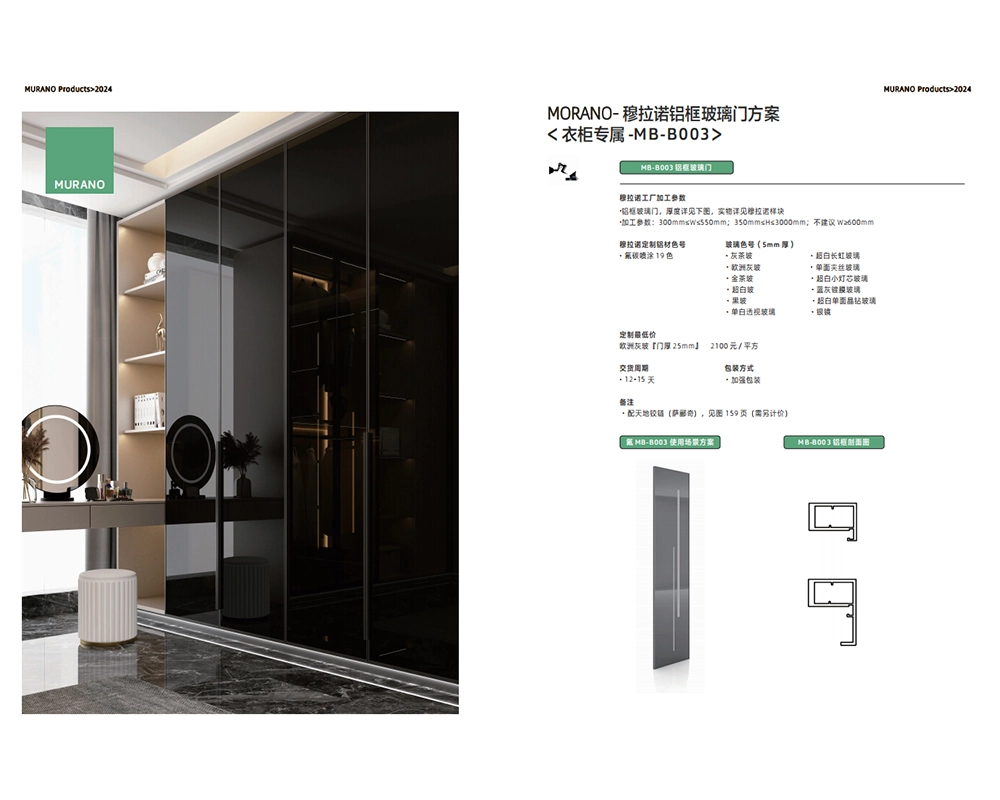
Aluminum Frame Glass Hinged Door - MBB003
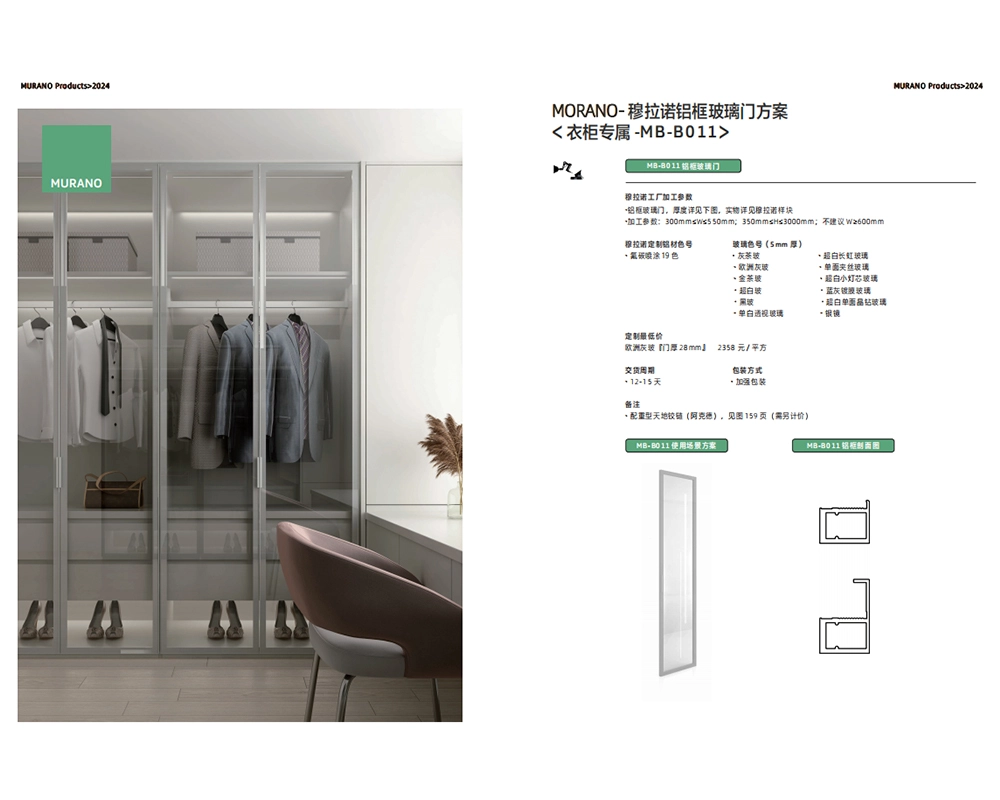
Aluminum Frame Glass Hinged Door - MBB011
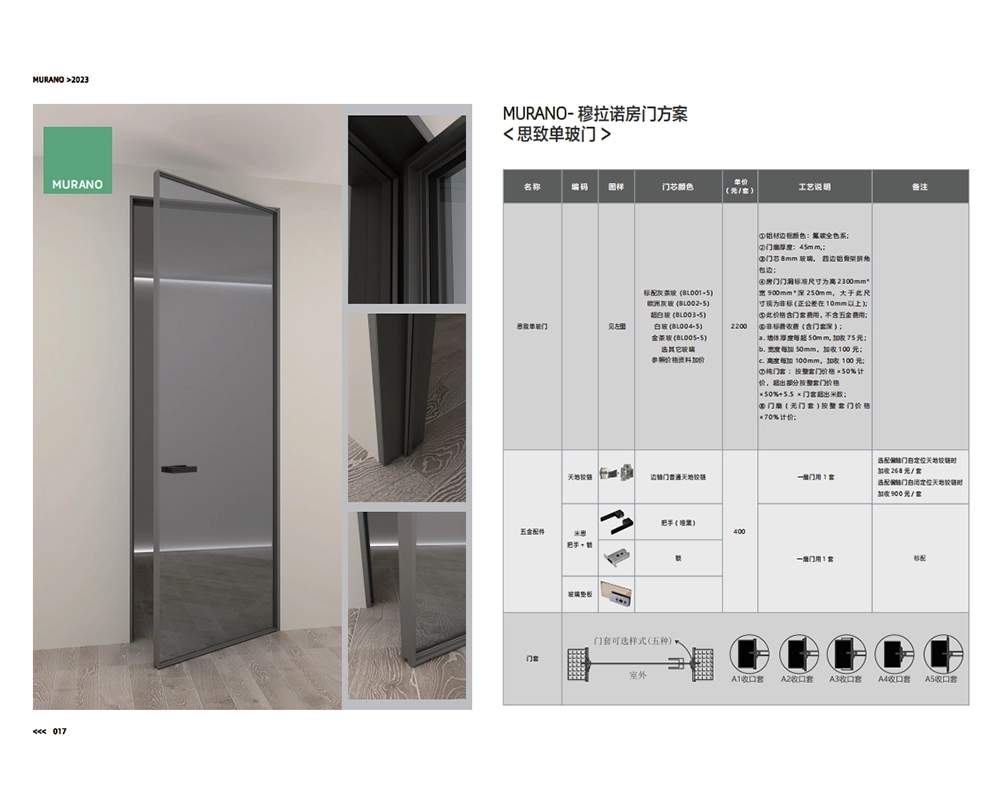
SZ Single side glass interior door
Request a Free Consultation And Price Estimate
Get in touch with Murano today for a personalized consultation, and let us bring your vision to life. Fill out the form below or contact Murano directly to start your journey toward a beautifully tailored home!"

 Scan QR Code
FoshanMuranoCabinet
foshanmuranocabinet
Whatsapp: +8618814138020
Scan QR Code