
What finishes and hardware work best for custom bedroom wardrobes?
- 1) How should I specify carcass materials and finishes to prevent shelf sagging and mold in humid climates?
- 2) Which finish types hide everyday scratches and scuffs best for a kids' or guest wardrobe while staying low‑VOC?
- 3) For heavy winter coats and daily use, which hinges, closet rods and drawer slides should I insist on?
- 4) What hardware finishes and color combinations reliably age well and improve resale value in varied markets?
- 5) How can I integrate wardrobe lighting, motion sensors and smart locks without major rewiring or violating safe electrical practice?
- 6) What lead times, warranty language and factory QA checkpoints should I insist on in a custom wardrobe purchase to avoid post‑installation problems?
- Concluding summary: Advantages of specifying the right finishes and hardware for custom bedroom wardrobes
Custom Bedroom Wardrobe: What Finishes and Hardware Work Best?
When buying or specifying a custom bedroom wardrobe, small choices in carcass material, finish chemistry and hardware type determine durability, function and resale value. The guidance below answers six highly specific beginner pain points that are often answered superficially online — with actionable, industry‑tested recommendations you can use when comparing quotes.
1) How should I specify carcass materials and finishes to prevent shelf sagging and mold in humid climates?
Pain point: wardrobes in humid bedrooms or coastal homes often develop sagging shelves and delamination within a few years when buyers choose the cheapest board stock and finishes.
Best practice:
- Use 18mm (3/4) cabinet‑grade plywood for vertical panels, shelves and the top/bottom of the carcass. plywood resists moisture‑related swelling and has better screw‑holding strength than MDF or particleboard. For exposed edges use edge‑banded plywood or solid wood edge for durability.
- Avoid particleboard/low‑grade MDF in humid zones; if budget forces an engineered board, specify moisture‑resistant (MR) MDF or exterior‑grade particleboard and locate it away from direct moisture sources.
- Design fixed/center‑supported shelves for heavy loads. For runs over 900 mm (approx 36), use center supports, dadoed shelf grooves or 25 mm+ thick plywood to limit sag. Adjustable shelving should use metal shelf standards or heavy duty shelf pins rather than thin plastic clips.
- Finish the interior as well as the exterior. A thin factory finish (water‑based sealer or lacquer) applied to all exposed surfaces — interior back panel edges, shelf underside, and inside of doors — seals the panel against humidity cycles and reduces delamination risk.
- Ventilation and spacing: allow 10–20 mm clearance at the wardrobe top or include discrete vents if the room is damp. Use breathable liners (thin plywood or veneered board) instead of impermeable thermofoil if condensation is a concern.
Why it works: plywood's cross‑laminated structure resists longitudinal expansion. Sealing all faces reduces moisture exchange that causes warp and mold. These are standard practices used in professional cabinetmaking and recommended by industry groups such as the Kitchen Cabinet Manufacturers Association (KCMA).
2) Which finish types hide everyday scratches and scuffs best for a kids' or guest wardrobe while staying low‑VOC?
Pain point: homeowners want hardwearing, low‑odor finishes suitable for bedrooms and nurseries, but online advice often lists trade finishes that are VOC‑intensive or impractical for on‑site application.
Options and recommendations:
- Melamine and high‑pressure laminate (HPL): Highly scratch and impact resistant, easy to clean, and available in many textures and wood visuals. Best for budget‑minded wardrobes used by kids; they are inert once cured and low‑odor in the home. Choose 0.6 mm+ HPL for higher traffic use.
- Water‑based UV‑cured lacquer: Factory applied, provides a durable surface comparable to solvent lacquers with much lower VOCs. UV curing produces a hard surface that resists abrasion and yellowing — good for painted looks and bright whites.
- Conversion varnish (2K): Very durable and resistant to chemicals and abrasion, but often higher VOC and usually a factory finish. If VOC is a concern, verify the manufacturer's emissions testing (CARB, EPA or local standards) and choose low‑VOC variants.
- Thermofoil: Affordable and smooth but prone to edge peeling in humid environments and with heavy frontal wear. Not recommended for high‑moisture bedrooms unless edges and seams are expertly sealed.
- Painted solid wood or veneered MDF (waterborne paint): For a High Quality painted finish with low‑VOC, request waterborne acrylic or polyurethane paints applied and baked in a factory environment; this balances aesthetics, durability and indoor air quality.
How to specify to your supplier: require factory finish with documented emissions (e.g., CARB Phase 2/TSCA Title VI compliance, or local VOC certifications). Ask for sample panels to test scratch resistance and color match under your bedroom lighting before final sign‑off.
3) For heavy winter coats and daily use, which hinges, closet rods and drawer slides should I insist on?
Pain point: wardrobes that feel flimsy in day‑to‑day use generally use undersized hardware. Beginners need clear minimums and features to specify.
Hardware guidance:
- Closet rods: specify 1 (25 mm) diameter solid steel or stainless steel rods for heavy coats. With proper brackets spaced around 900–1200 mm apart, a 1 steel rod will support 100–200+ lbs per unsupported span depending on material and bracket spacing. Where extremely heavy loads are expected, use square steel tube supports or center supports.
- Hinges: use European concealed hinges with integrated soft‑close (full‑overlay or inset as per door style). Specify a hinge with a proven salt‑spray rating if the home is coastal. Brands differ, but ask for corrosion‑resistant finishes and a multi‑point adjustment mechanism for in‑field alignment.
- Drawer slides: full‑extension, soft‑close undermount slides are the High Quality choice — they hide hardware, provide quiet operation and typically have better load distribution. For heavy items (dresser drawers storing folded wool blankets), specify slides rated 75–150 lb; for standard clothing drawers 75 lb is a practical baseline. Side‑mount full‑extension ball‑bearing slides are an economical alternative if undermount is out of budget.
- Accessories: add felt‑lined jewelry trays, reinforced pant hangers, and heavy‑duty pull‑outs for shoes with load ratings to match expected use. Magnetic catches for lightweight doors are fine, but for frequent use prefer soft‑close mechanisms to prevent slam damage.
Ask each quote to list hardware brand/model and load rating — a reputable shop will provide datasheets. Hardware warranty periods vary (1–lifetime years); verify replacement policies in writing.
4) What hardware finishes and color combinations reliably age well and improve resale value in varied markets?
Pain point: homeowners pick trendy knobs or high‑contrast finishes that look dated in a few years. They want choices that are fashionable yet broadly appealing.
Design and resale guidance:
- Neutral, timeless finishes: matte brushed nickel, satin brass and matte black are the most resilient across design cycles. Satin brass (brushed brass) has gained broad acceptance and photographs well, while matte black offers modern contrast that still reads as neutral in many markets.
- Finish pairings: for painted white or warm‑white wardrobes, choose brushed brass or satin nickel; for natural oak veneers, choose matte black or warm bronze to emphasize wood tones. For dark painted finishes, brushed nickel or polished chrome can add contrast without appearing trendy.
- Scale and ergonomics: larger pulls (128–192 mm) are easier to use and read as higher value than tiny knobs on big wardrobe doors. For sliding door wardrobes, specify recessed pulls or slim edge pulls to avoid catching clothing and to maintain clean lines.
- Market alignment: for universal resale appeal, prioritize neutral painted finishes or natural oak/ash veneer and conservative hardware finishes rather than highly customized colors or mixed metals. Custom buyers who want a signature look can add one or two statement fittings (e.g., a brass backplate) while keeping the majority neutral.
Evidence: real estate stylists and staging studies consistently show that neutral, high‑quality finishes and simple, robust hardware increase perceived build quality and buyer appeal.
5) How can I integrate wardrobe lighting, motion sensors and smart locks without major rewiring or violating safe electrical practice?
Pain point: customers want integrated lighting and smart features but fear expensive electrician bills or unsafe DIY wiring.
Practical, code‑safe approaches:
- Low‑voltage LED puck lights with rechargeable battery packs: battery‑powered LED strips or pucks with motion sensors are easiest to retrofit — no electrician required, simple installation, and modern units offer 12–24 month battery life depending on use.
- 12V DC low‑voltage systems: for a more permanent solution without running mains into the cabinet, install a remote transformer fed by a licensed electrician to a closet location, with low‑voltage wiring inside the wardrobe. This keeps voltages low and allows brighter LEDs and dimming control.
- Door‑activated lights: mechanical or magnetic door switches integrated into the frame provide simple, reliable activation without network dependency. Combine with low‑voltage LEDs for longevity.
- Smart locks and RFID: surface‑mounted smart latch hardware is available that runs on batteries and can be installed without changing the home's main security wiring. For integrated wired smart locks, consult an electrician and ensure installations comply with local electrical and fire codes.
- Planning tip: ask your cabinetmaker to route a conduit or chase during rough‑in and to leave access panels for future wiring if you anticipate adding hardwired lighting later — this minimizes future disruption.
Always follow local electrical codes; when mains power is required, use a licensed electrician. For battery or low‑voltage systems, ensure proper ventilation for transformers and place batteries where they can be serviced without removing fixed panels.
6) What lead times, warranty language and factory QA checkpoints should I insist on in a custom wardrobe purchase to avoid post‑installation problems?
Pain point: buyers receive wardrobes late, with finish issues or misaligned doors, and contracts lack recourse. Many online answers omit precise contract language and quality checkpoints.
Negotiation checklist and expectations:
- Lead time: typical custom cabinet and wardrobe lead times range from 4–12 weeks from signed shop drawings and deposit, depending on finish complexity and hardware availability. High‑demand finishes or imported hardware can push lead times longer — confirm lead times for critical hardware items when quoting.
- Approval milestones: require an explicit timeline with these milestones: design approval (shop drawings), material confirmation (core panel, veneer/paint sample), hardware list and finish sample, production start date, and installation window. Each milestone should require your written sign‑off.
- Warranty and remedy: request a written warranty covering workmanship and finishes (typical 1–5 years for bespoke shops; some shops offer longer). Hardware often carries separate manufacturer warranties — ask the installer to document these for you. Define who pays for on‑site repairs and travel costs if issues arise after 6–12 months.
- Factory QA checkpoints: ask whether the shop performs full‑assembly QA, door fitting, finish inspection and dry‑fit in the shop prior to crating. A photo/digital sign‑off of the assembled unit prior to shipping reduces installation surprises.
- Tolerance and acceptance criteria: define acceptable tolerances for gaps (e.g., door reveal variance no more than 2–3 mm), finish color variance limits (use physical samples under your room lighting), and hardware operation (smooth, soft‑close within manufacturer specs). Put these into the purchase order.
Insisting on these items reduces disputes and gives you objective standards for acceptance and post‑installation fixes.
Concluding summary: Advantages of specifying the right finishes and hardware for custom bedroom wardrobes
Choosing proper carcass materials (plywood for humid sites), durable factory finishes (water‑based UV or HPL for high‑traffic use), and appropriately rated hardware (full‑extension soft‑close slides, 1 steel rods, corrosion‑resistant hinges) delivers measurable advantages: longer service life, fewer service calls, better daily function and stronger resale appeal. Many of the same performance standards used for custom kitchen cabinets — documented materials, factory finish systems and specified hardware load ratings — apply directly to wardrobes. By requiring factory samples, hardware datasheets and staged approvals you reduce risk and get a higher‑value installation.
For a tailored quote and to review finish/hardware samples, contact us for a free consultation — visit www.muranocabinet.com or email [email protected].
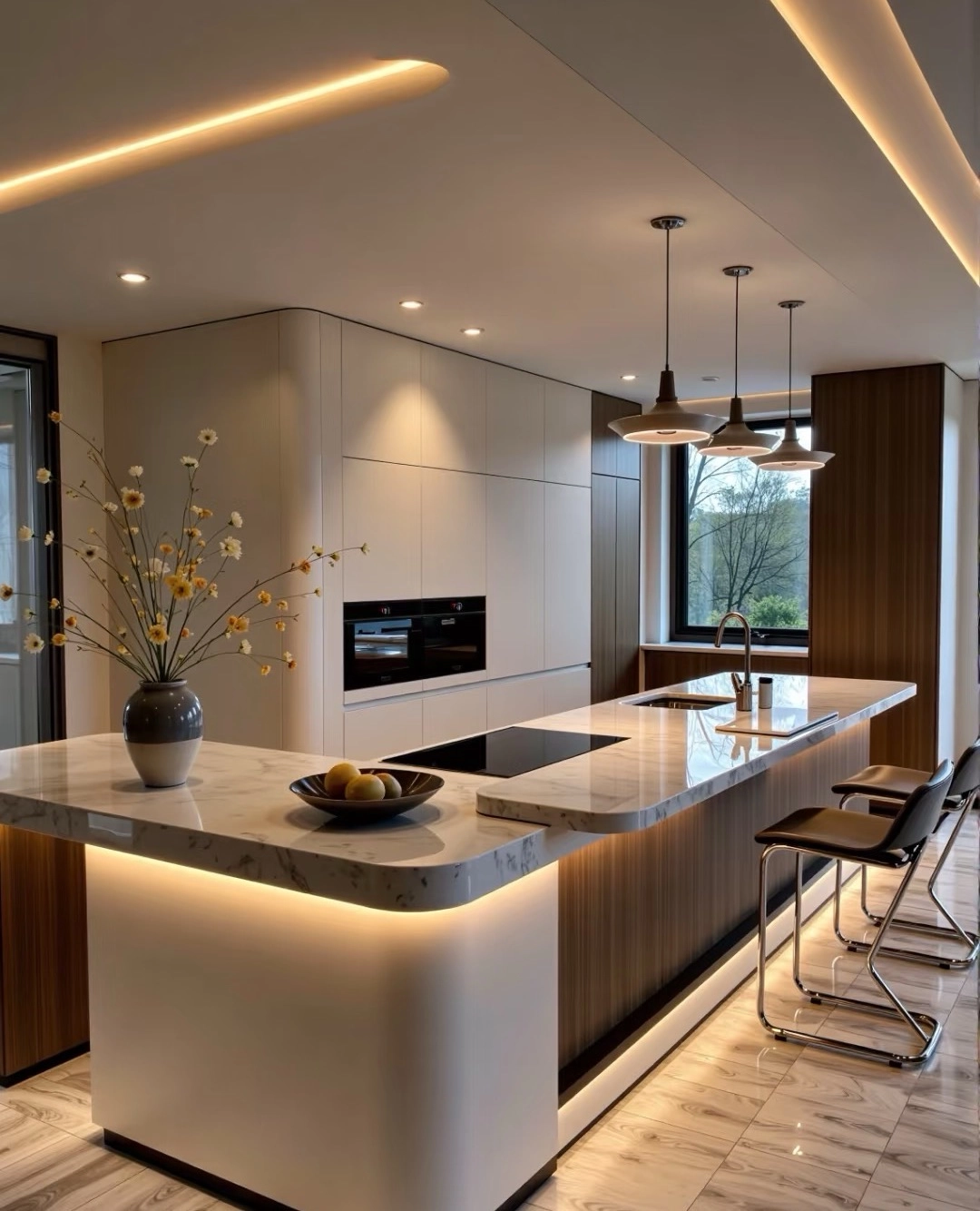
How to Make Traditional Kitchen Cabinets Look Modern
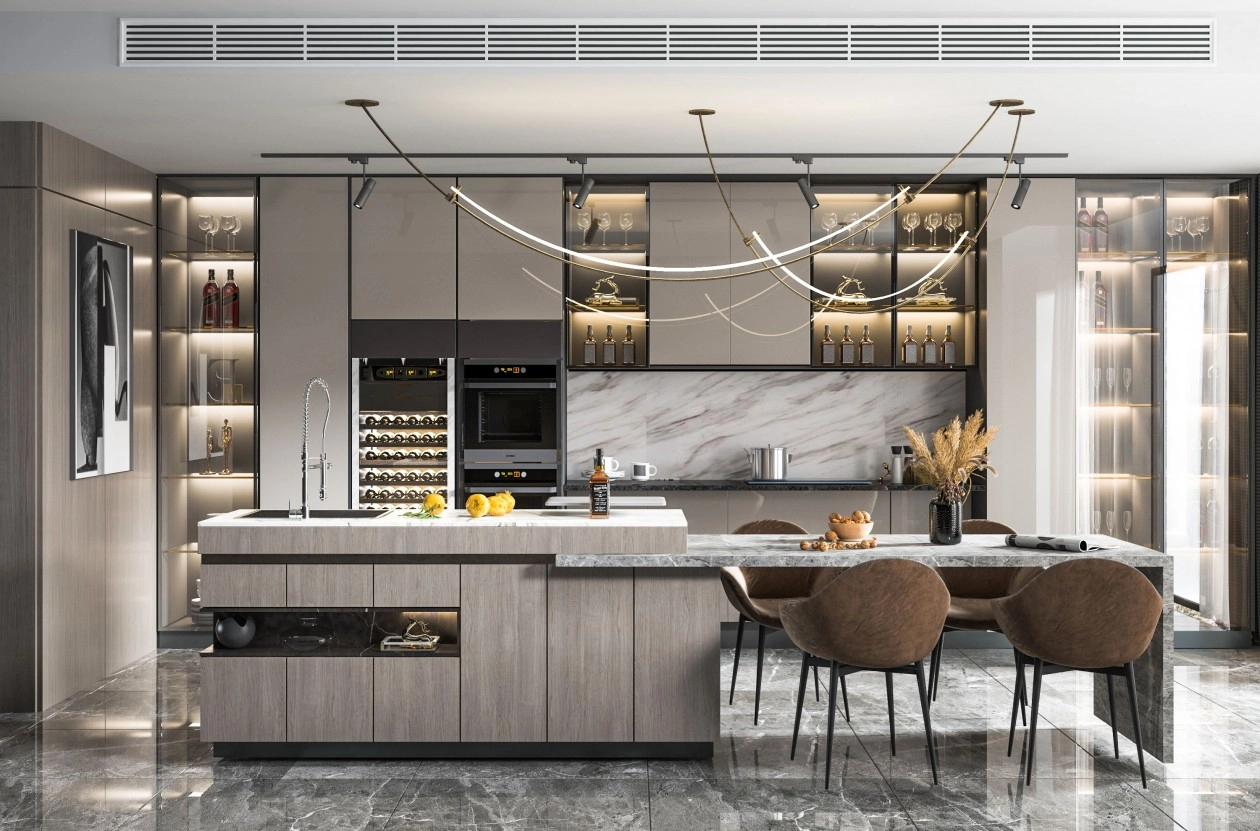
Maintenance Tips to Keep Your Custom Luxury Kitchen Cabinets Looking Brand New
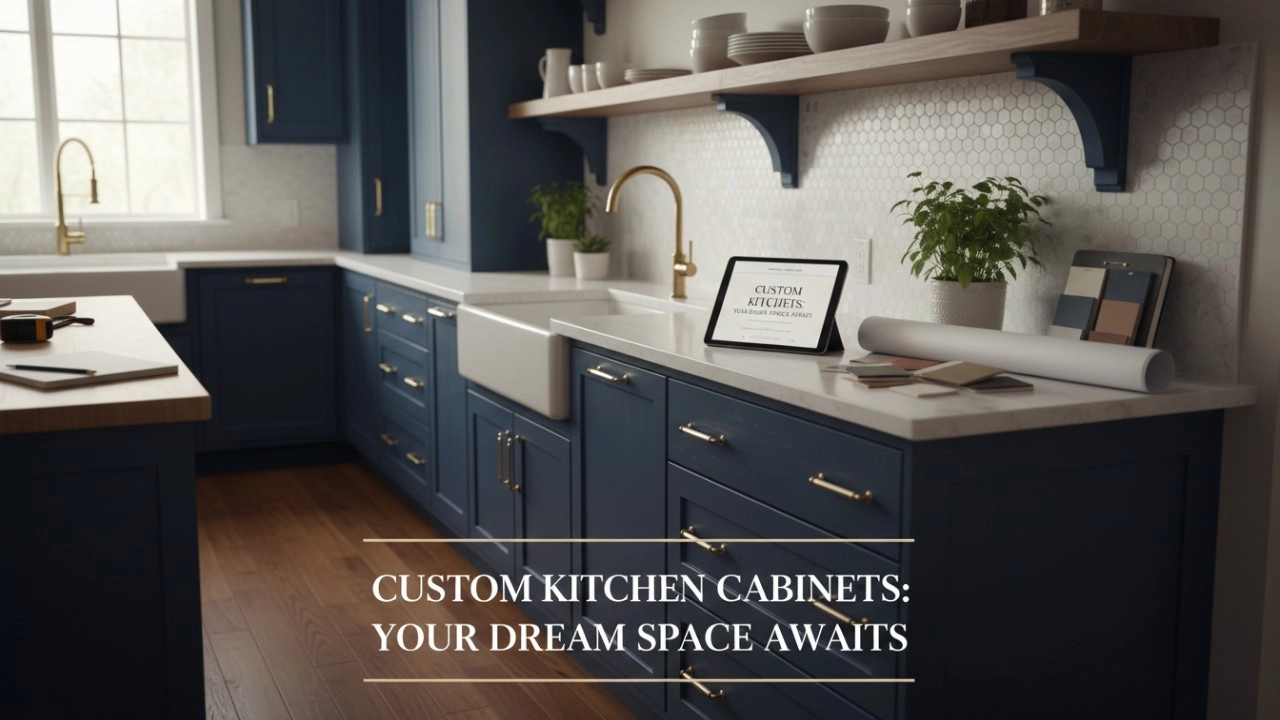
Custom Made Kitchen Cabinets vs. High-End Semi-Custom: The Definitive Quality & Durability Showdown (2026 Guide)
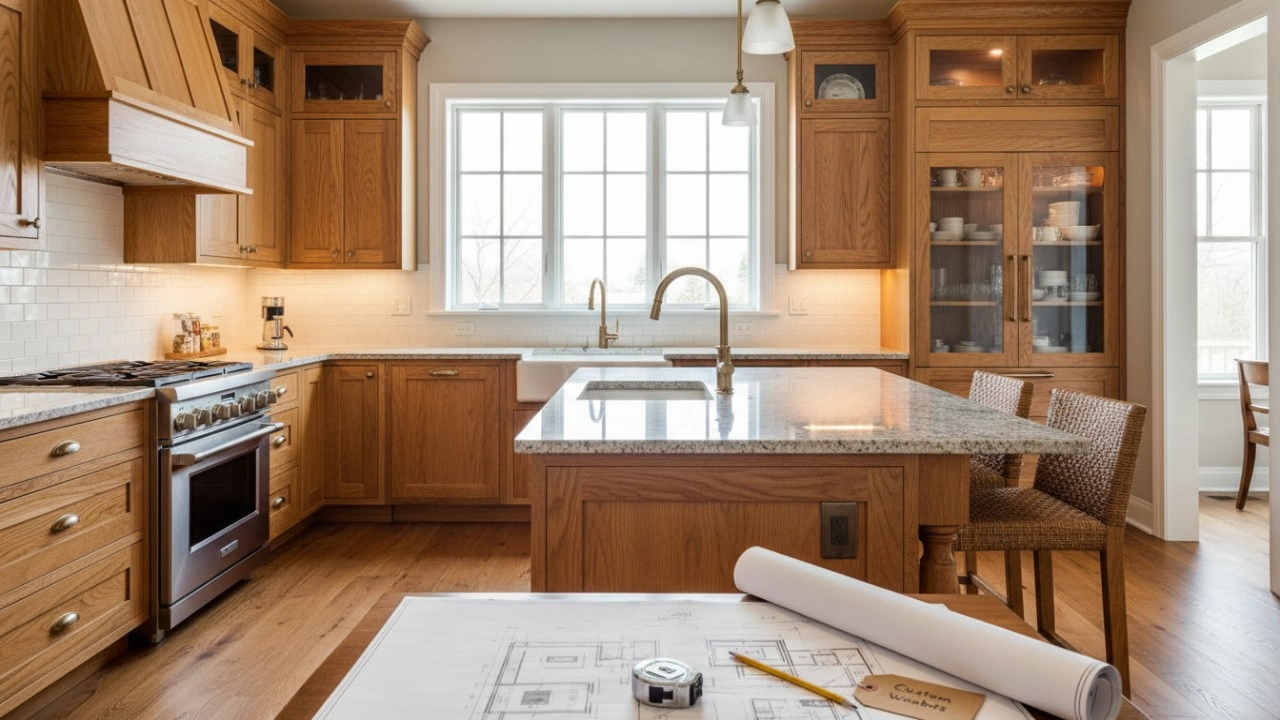
12 Reasons Why Custom Solid Wood Kitchen Cabinets Are the Only Investment That Truly Adds Value to Your Home
FAQ
Can we ship the furniture cabinets to customer's port or city?
Yes. Please provide the city name or port name when you send us an inquiry.
Can we produce products according to customer's room size?
Yes. All our cabinets are custom size.
What's lead time for furniture cabinets?
It's about 20 - 30 days.
What information are needed for getting a quote for our furniture cabinets?
Your size infomation or room drawings.
What's the payment terms of all our products?
T/T (30% inadvance, the balance shall be paid off before delivery), Western Union or L/C.
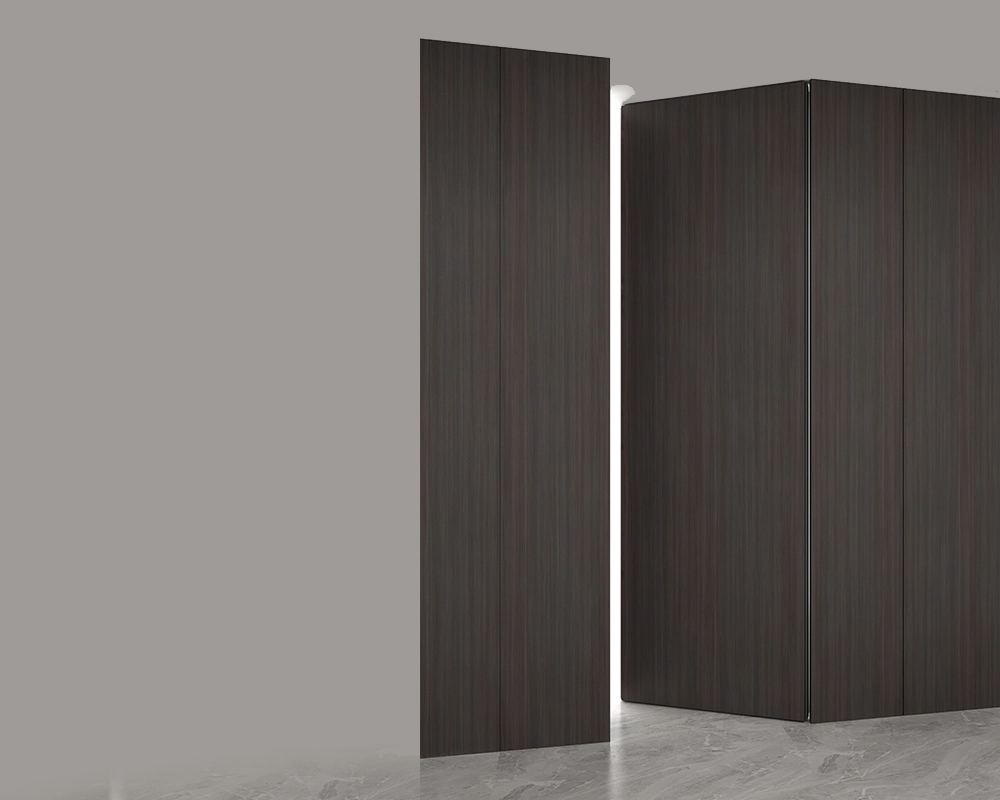
T-shaped invisible door MA10
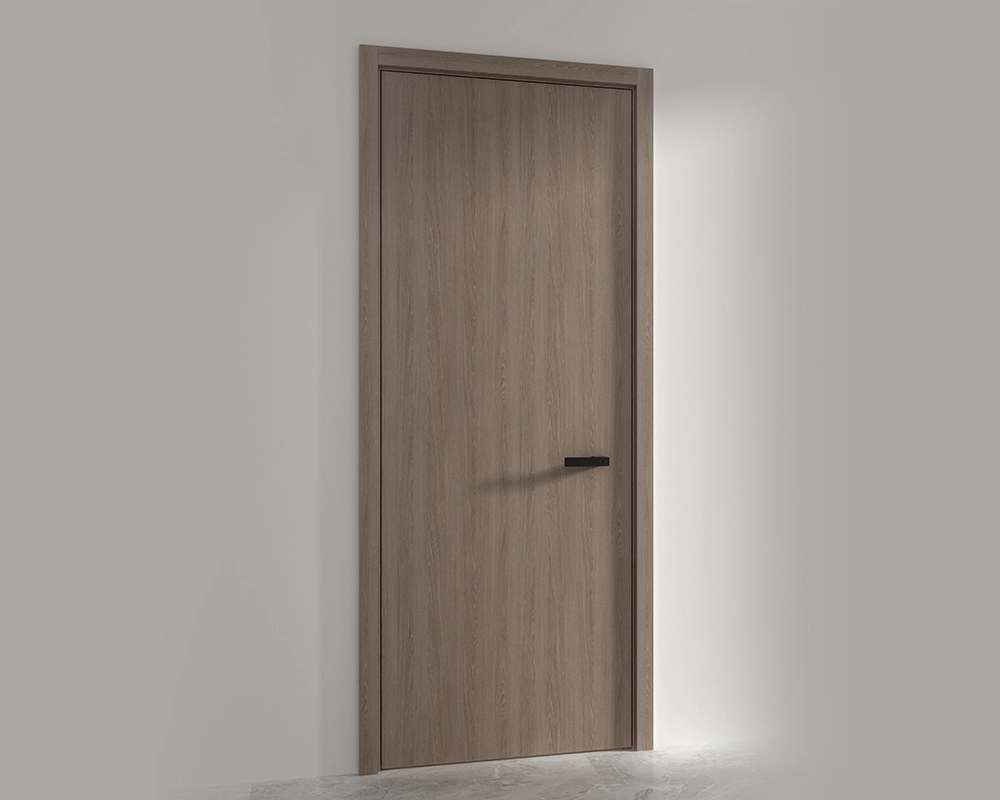
Flush panel door MA11
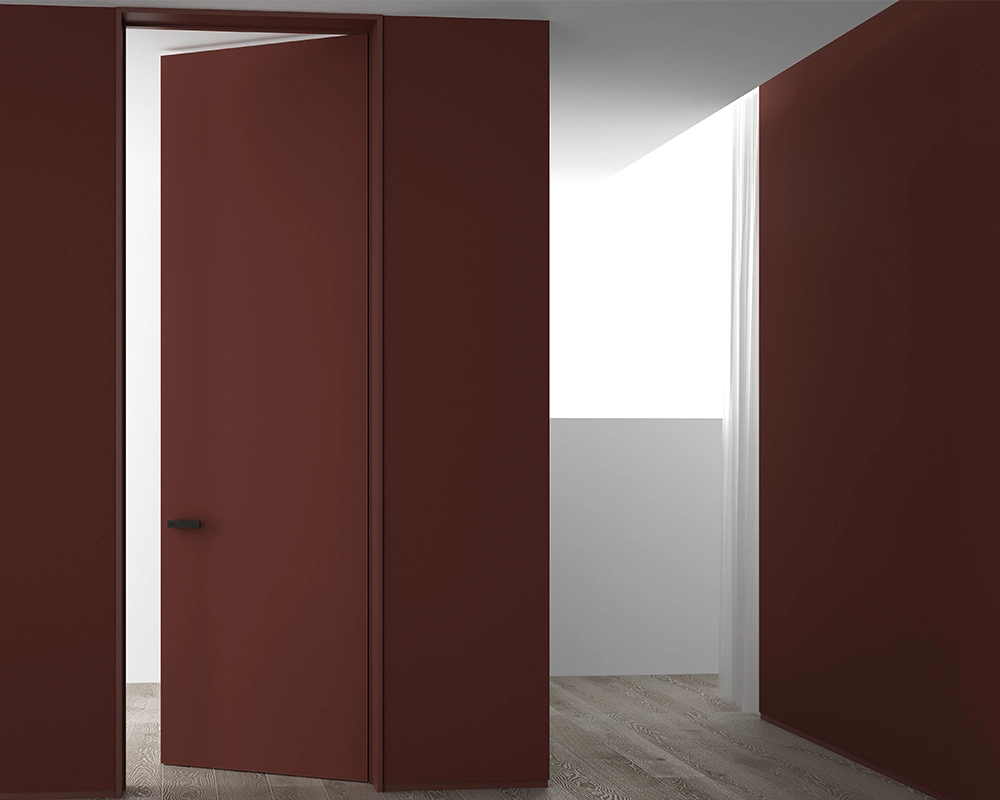
Siyun double wooden door MA12A
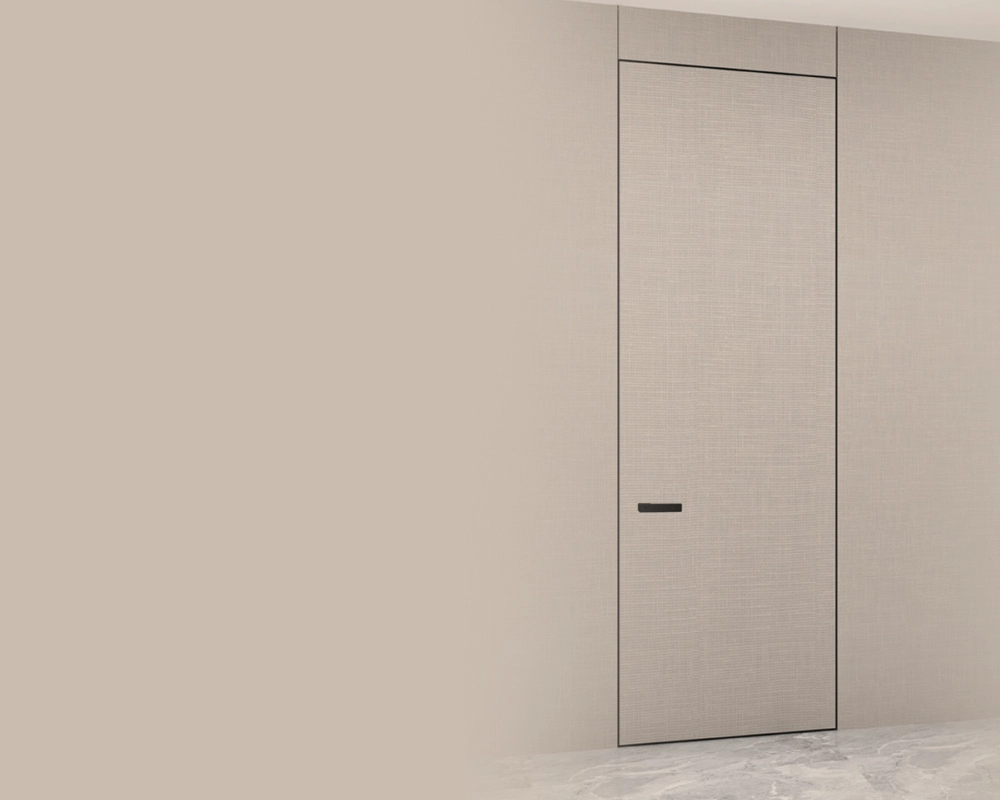
External flush right inward opening door MA13
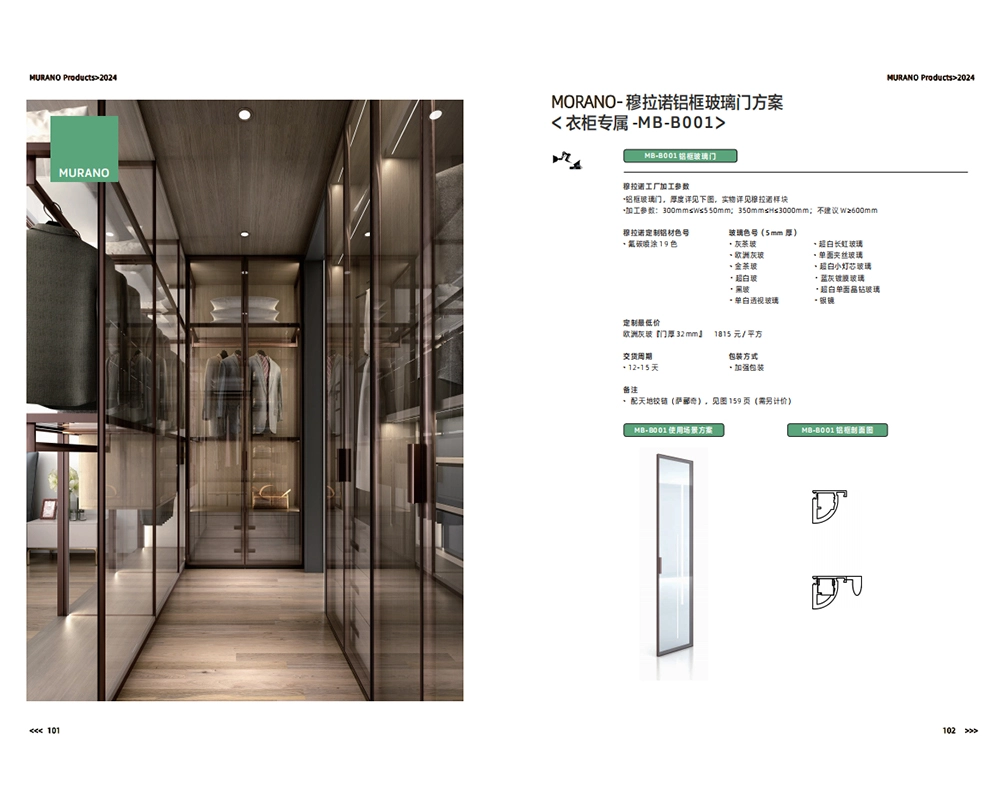
Aluminum Frame Glass Hinged Door - MBB001
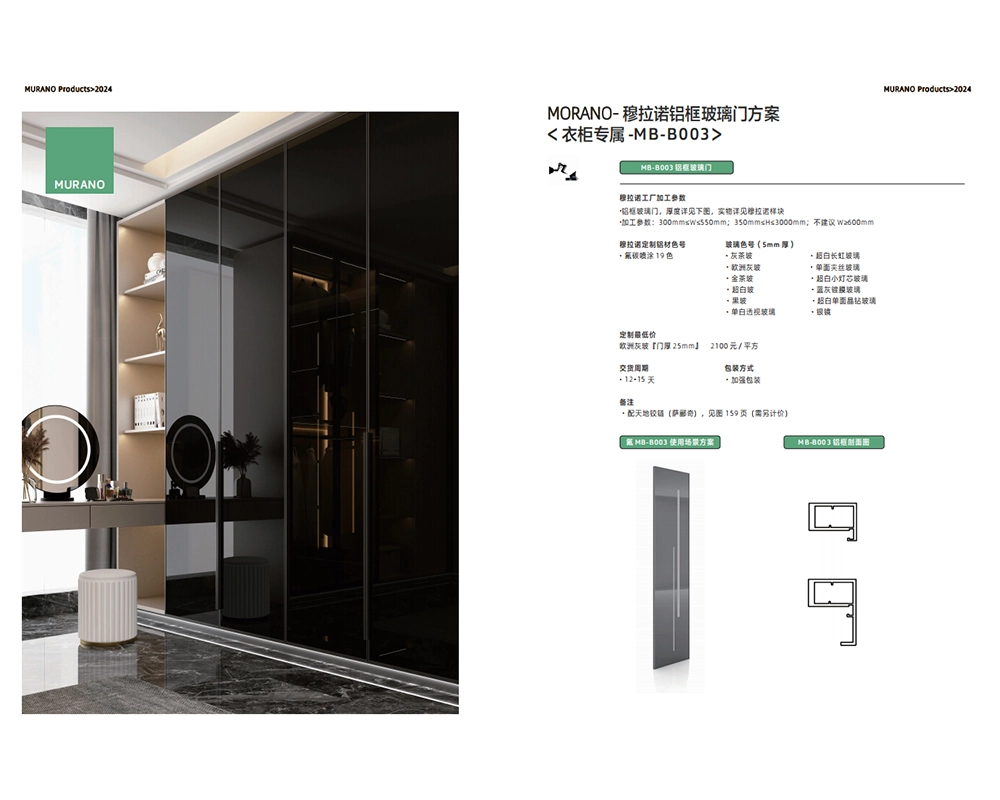
Aluminum Frame Glass Hinged Door - MBB003
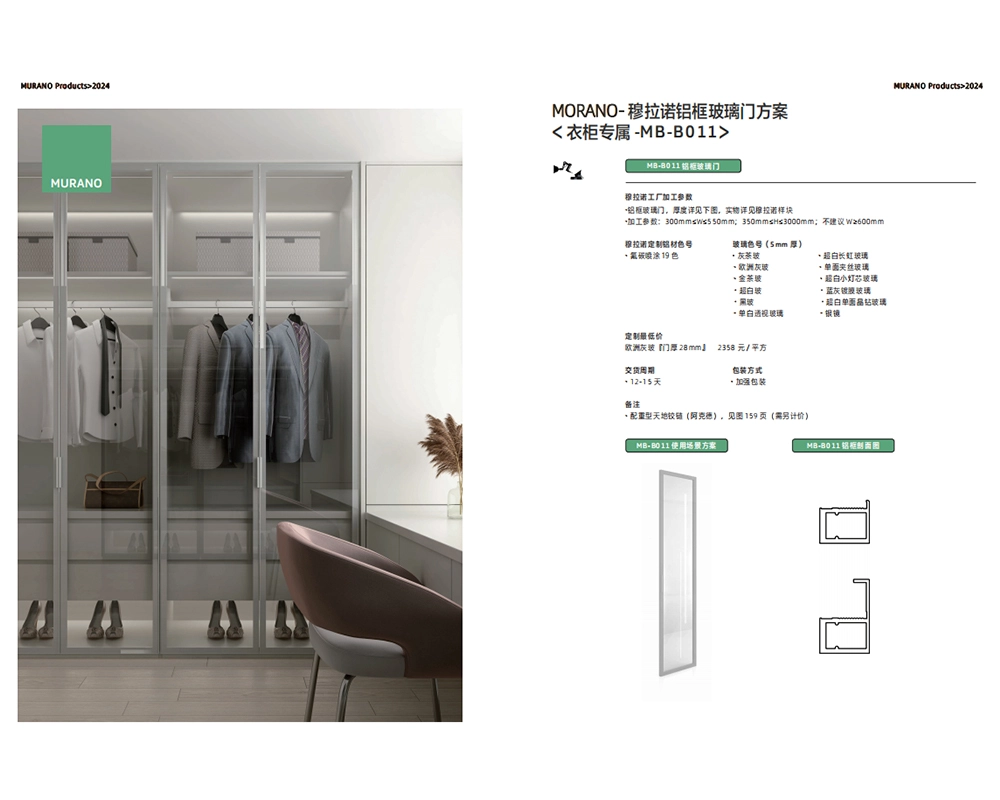
Aluminum Frame Glass Hinged Door - MBB011
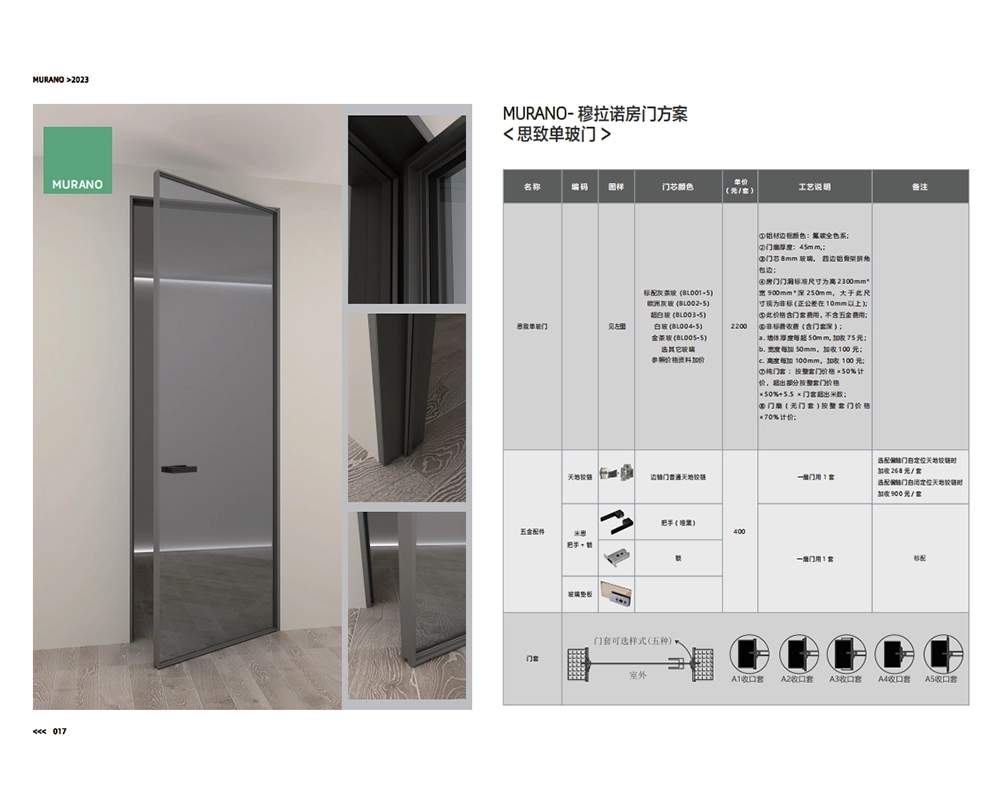
SZ Single side glass interior door
Request a Free Consultation And Price Estimate
Get in touch with Murano today for a personalized consultation, and let us bring your vision to life. Fill out the form below or contact Murano directly to start your journey toward a beautifully tailored home!"

 Scan QR Code
FoshanMuranoCabinet
foshanmuranocabinet
Whatsapp: +8618814138020
Scan QR Code