
How to evaluate suppliers of custom bedroom wardrobes?
- 1. How can I independently verify the actual board material (plywood, MDF, particleboard) and its grade beyond a supplier's label?
- 2. How do I evaluate a factory’s production process so I can be sure edge banding, CNC tolerances and joint quality will meet specs?
- 3. What specific finish and hardware specifications should I require for wardrobes used in humid or coastal climates?
- 4. How can I remotely verify environmental compliance (formaldehyde, VOCs) and ethical standards if I cannot audit the factory in person?
- 5. How do I accurately calculate landed cost for custom wardrobes, including packaging, freight, duties, and an allowance for defects/returns?
- 6. What exactly should I request in a sample and pre-shipment inspection protocol to avoid common defects on custom wardrobes?
- Concluding summary: Advantages of choosing a qualified custom wardrobe supplier
How to Evaluate Suppliers of Custom Bedroom Wardrobes: 6 Deep Questions Designers and Buyers Ask
Buying a custom bedroom wardrobe or bespoke closet system requires more than aesthetics. This guide gives designers, contractors and discerning homeowners the in-depth supplier checks — on materials, production, QC, finishes, compliance and logistics — that many online articles miss.
1. How can I independently verify the actual board material (plywood, MDF, particleboard) and its grade beyond a supplier's label?
Pain point: many suppliers list marine-grade plywood or E1 MDF without consistent proof. For wardrobes and built-in closets where joint strength, screw-holding and humidity resistance matter, you need objective verification.
Actionable steps:
- Request mill test documentation and COA (Certificate of Analysis) that includes species (e.g., birch/okoume), core construction (veneer layers), panel density (kg/m3) and formaldehyde standard (CARB Phase 2 or EN 717/E1). Legit mills supply this for plywood and MDF.
- Ask for shipment sample panels (not just thin swatches). Test them locally: measure density (mass/volume) and check cross-section for core voids and glue line quality. For plywood, count plies and direction of veneers.
- Specify mechanical performance requirements in the contract: screw-holding force (Newton), bending strength (MOE/MOR) or refer to recognised standards. If the supplier resists, that's a red flag.
- Use third-party lab testing on samples for formaldehyde emissions (HCHO) and moisture content. Accredited labs or inspectors (SGS, Intertek, TUV) can confirm CARB Phase 2 or EN 717 compliance.
- Acceptable benchmarks to request: plywood with consistent veneer thickness, no core gaps, MDF/plywood moisture content 6–10% (climate-dependent). For visible surfaces request grade details (A/B face for plywood).
Why it matters: accurate material verification prevents delamination, swelling in humid climates, poor screw retention and finish failures — common causes of customer complaints for bedroom wardrobes.
2. How do I evaluate a factory’s production process so I can be sure edge banding, CNC tolerances and joint quality will meet specs?
Pain point: uneven edge-banding, misaligned hinges and variable CNC precision cause doors to stick or gaps that break the look of a custom wardrobe.
Key checks and questions for factory evaluation (remote or onsite):
- Production flow map: request photos or a short video that shows raw material storage, CNC cutting, edge banding, assembly, finishing and packing. Inconsistent workflow often indicates quality variation.
- Equipment list: good indicators are CNC routers with fixture jigs, automated edge banders (pre-milling + hot-melt adhesive), multi-head drilling machines and spray booths (for lacquer/UV). Note model names — reputable brands are a plus.
- Tolerances to specify in your tech pack: CNC cut accuracy ±0.2–0.5 mm for critical joinery, drilled hinge/pocket positions ±0.3–0.5 mm. Define acceptable visible gap limits (e.g., 1.5–3 mm between doors depending on design).
- Ask for SPC data (statistical process control) or measurement logs showing repeatability. If supplier can't provide simple run-size sampling data, require third-party inspection during production.
- Review edge banding quality: glue line should be invisible (<0.2 mm), no bubbles, consistent radius. For high-end wardrobes specify 2 mm or laser edge banding for seamless look.
Practical test: order a pilot batch of 1–3 units with full hardware and finish to inspect assembly and fit. Use it to write a detailed inspection checklist for full production.
3. What specific finish and hardware specifications should I require for wardrobes used in humid or coastal climates?
Pain point: finishes chalking, hardware corrosion, swollen panels in high humidity spots can wreck a custom closet faster than poor design.
Specifications to require:
- Substrate selection: marine-grade or exterior-grade plywood cores, or moisture-resistant MDF with moisture content controlled 6–10% at time of packing. Specify sealed back panels and inner edge sealing to reduce moisture ingress.
- Finish type: for high humidity, recommend UV-cured lacquer, two-component (2K) polyurethane, or high-pressure laminate (HPL). These resist moisture better than standard water-based lacquer alone.
- Hardware: specify stainless steel (304) or corrosion-resistant finishes for hinges, handles, and slides. For drawer systems choose corrosion-proof runners; High Quality brands (Blum, Hettich, Grass) offer humid-climate options. Ask for material grade and corrosion test reports (e.g., salt spray test hours).
- Sealing details: request silicone-sealed joints where wardrobes meet wet areas, and recessed toe-kick or raised plinth details to prevent bottom-edge water exposure.
Request test reports (e.g., salt spray) or independent lab evaluations when you specify coastal-grade hardware and finishes. Include warranty terms for finish adhesion and hardware corrosion in the contract.
4. How can I remotely verify environmental compliance (formaldehyde, VOCs) and ethical standards if I cannot audit the factory in person?
Pain point: buyers rely on written claims about CARB/EPA or REACH compliance and social responsibility policies that may not be current.
Verified remote checks:
- Request up-to-date third-party test reports for composite wood emissions (CARB Phase 2 or EN 717-1 results). Tests should be within the past 12 months and reference specific product batches.
- Ask for copies of ISO 9001 (quality management) and any environmental management certificates (ISO 14001) — check certificate numbers and issuing body online.
- Use accredited third-party auditors (SGS, Bureau Veritas, Intertek) for remote or on-site audits. These firms can do social compliance and environmental audits and provide signed reports.
- Require material traceability: raw material mill name, batch numbers, and delivery docs. For European or North American projects, insist on CARB Phase 2 or E1/E0 MDF/particleboard paperwork; for higher spec projects require TSCA Title VI compliance for the US market.
- Include contract clauses that reserve the right to reject shipments failing third-party testing and specify remediation paths and cost responsibilities.
Tip: schedule random on-site or port inspections during production and pre-shipment through inspection agencies to confirm documented claims.
5. How do I accurately calculate landed cost for custom wardrobes, including packaging, freight, duties, and an allowance for defects/returns?
Pain point: low quoted unit prices are attractive but often hide high shipping, customs and remediation costs for defects.
Step-by-step landed cost checklist:
- FOB or EXW base price: confirm whether supplier quote is EXW (you arrange pickup) or FOB (supplier handles export). This changes logistics costs significantly.
- Packing specification: require export-standard packaging (e.g., fully assembled or knock-down packing), palletization schemes, anti-moisture measures, and a packing list. Fragile finishes or glass require additional crating costs.
- Volume and Weight: ask for carton dimensions and gross/net weights so freight quotes are accurate. For wardrobes, CBM (cubic meters) matters more than weight.
- Freight: obtain quotes for sea freight (FCL/LCL) and air if urgent. Use freight forwarders experienced with furniture to avoid surprises on surcharges and port fees.
- Duties & taxes: calculate HS codes for each wardrobe component and check import duty rates and VAT/GST in destination country. Use customs brokers to estimate costs accurately.
- Insurance: include cargo insurance (typically 110% of invoice) — specify Incoterms to determine who buys it.
- Quality allowance: build in a defect contingency (commonly 1–5% depending on supplier reliability). Define repair vs replacement costs and turnaround times contractually.
- Installation and returns: estimate on-site installation labor or the cost of sending replacement parts. For bespoke wardrobes, returns are costly; define warranty and spare parts policy up front.
Example note: wardrobes often ship as KD (knock-down) to save space; account for on-site assembly labor. Ask the supplier for typical packing density (CBM per 100 units) to model shipping economies.
6. What exactly should I request in a sample and pre-shipment inspection protocol to avoid common defects on custom wardrobes?
Pain point: generic sample photos or single free sample doors hide production variability. Buyers then receive batches with finish mismatches, uneven gaps or missing hardware.
Sample strategy and inspection checklist:
- Tiered samples: request (a) finished sample door with full hardware and finish, (b) full-scale construction sample (assembled cabinet) and (c) raw panel cross-section samples. Finished samples validate finish/hardware; construction samples validate fit and assembly methods.
- Detail your tech pack: include dimensional drawings, hinge/pocket coordinates, hole locations, edge band specs, finish codes (Pantone/RAL where applicable) and grain direction. No tech pack = inconsistent results.
- Pre-shipment inspection (PSI) checklist should include: dimensional tolerance checks, hinge alignment, door gap uniformity, drawer operation, finish adhesion test, edge banding seams, packaging integrity and hardware count. Use PASS/FAIL criteria for each item.
- Acceptable tolerances to request (industry-recommended): panel thickness variance ±0.3 mm, CNC hole position ±0.5 mm, door gap uniformity 1.5–3 mm (design dependent). For visible joints ask the supplier to commit to maximum glue line visibility thresholds.
- Require photographic reporting during PSI: high-resolution images of any non-conformity and a remediation plan with timelines. For critical projects require 100% inspection of all visible parts or a defined AQL sampling plan (e.g., AQL 1.5 for visible defects).
Contract tip: include non-conformance penalties and rework responsibilities in writing. Hold final payment or a retention amount until PSI is approved.
Concluding summary: Advantages of choosing a qualified custom wardrobe supplier
Working with a verified supplier who can document material provenance, maintain tight CNC and edge-banding tolerances, offer climate-appropriate finishes and hardware, comply with CARB/EN emissions standards, and provide transparent landed-cost breakdowns reduces risk, cost overruns and post-installation callbacks. Clear sample protocols and third-party inspections protect design intent and brand reputation for both custom bedroom wardrobes and adjacent custom kitchen cabinets projects.
For project-specific tech packs, factory audits, or a tailored quote for custom bedroom wardrobes or custom kitchen cabinets, contact us for a free consultation and quotation: www.muranocabinet.com | [email protected]
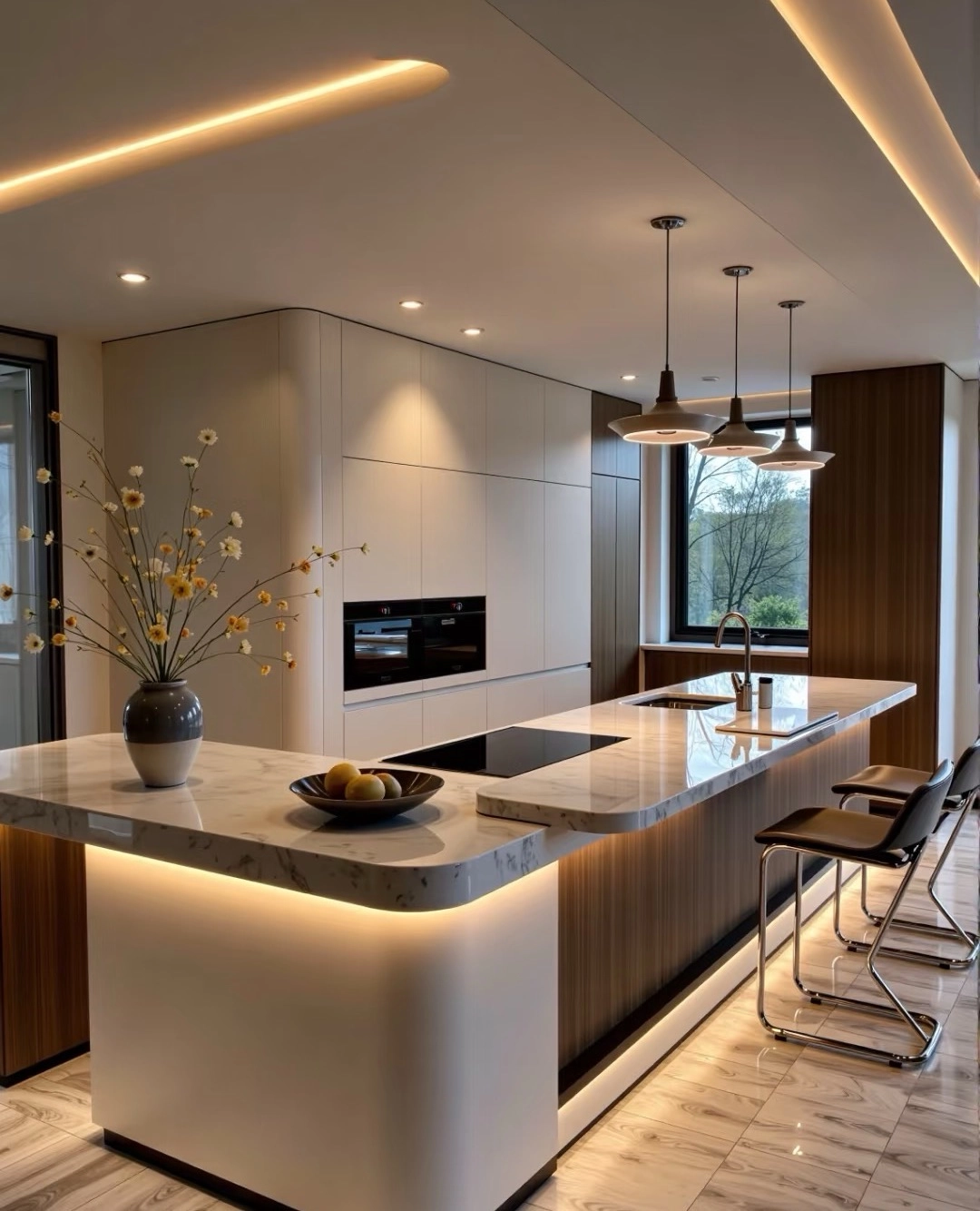
How to Make Traditional Kitchen Cabinets Look Modern
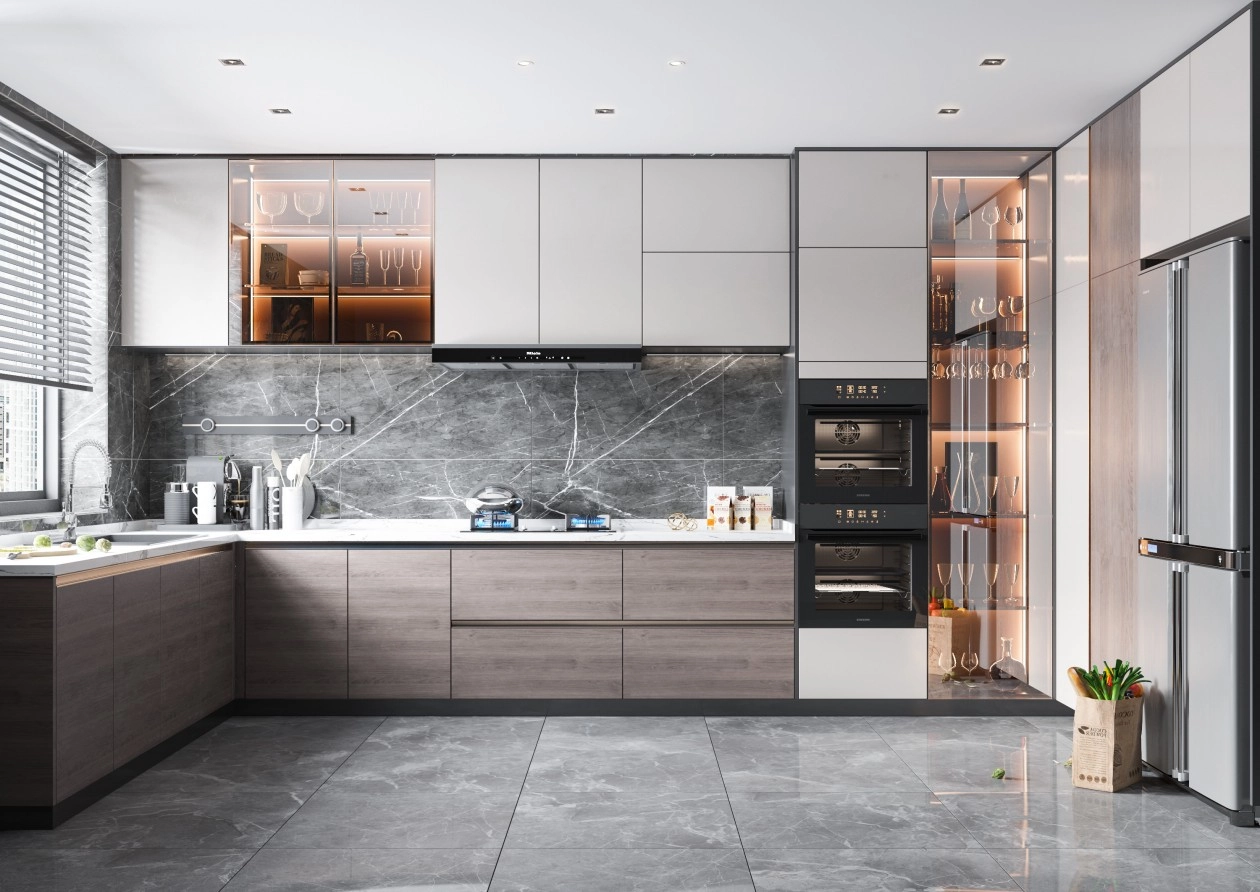
Complete Guide to Sourcing Wholesale Kitchen Cabinets and Bathroom Vanities
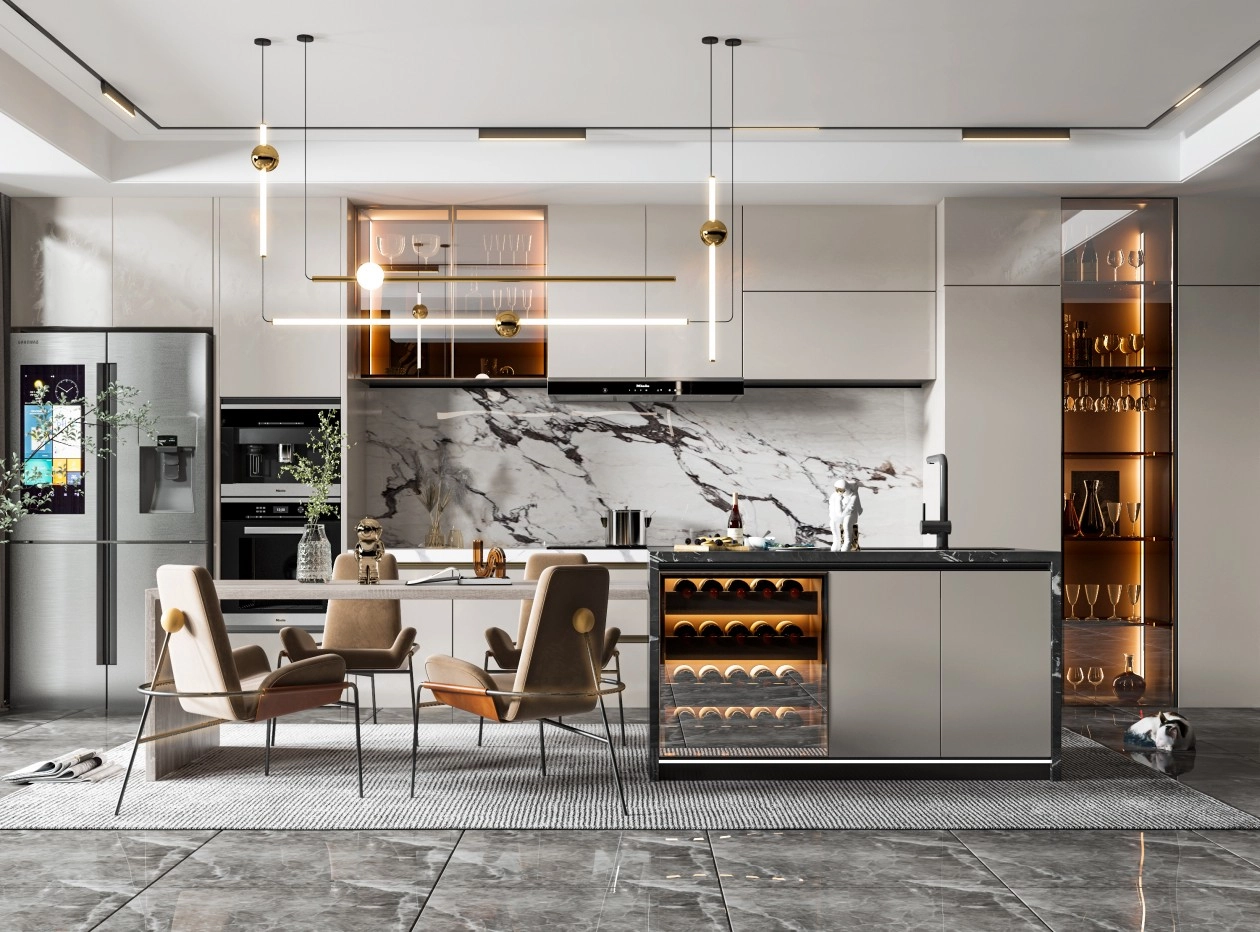
Wholesale Custom Furniture Lines: Precision Manufacturing for Every Space
How to Streamline B2B Custom Furniture Procurement: A Step-by-Step Industry Guide
FAQ
Can we ship the furniture cabinets to customer's port or city?
Yes. Please provide the city name or port name when you send us an inquiry.
Can we produce products according to customer's room size?
Yes. All our cabinets are custom size.
What's lead time for furniture cabinets?
It's about 20 - 30 days.
What information are needed for getting a quote for our furniture cabinets?
Your size infomation or room drawings.
What's the payment terms of all our products?
T/T (30% inadvance, the balance shall be paid off before delivery), Western Union or L/C.
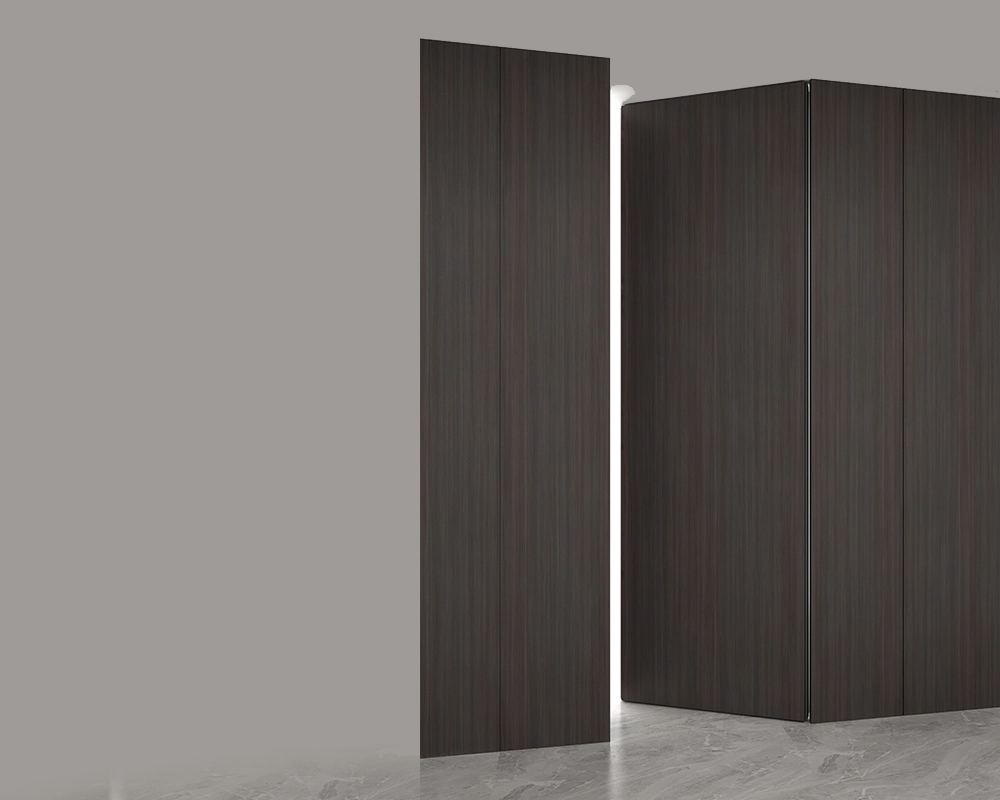
T-shaped invisible door MA10
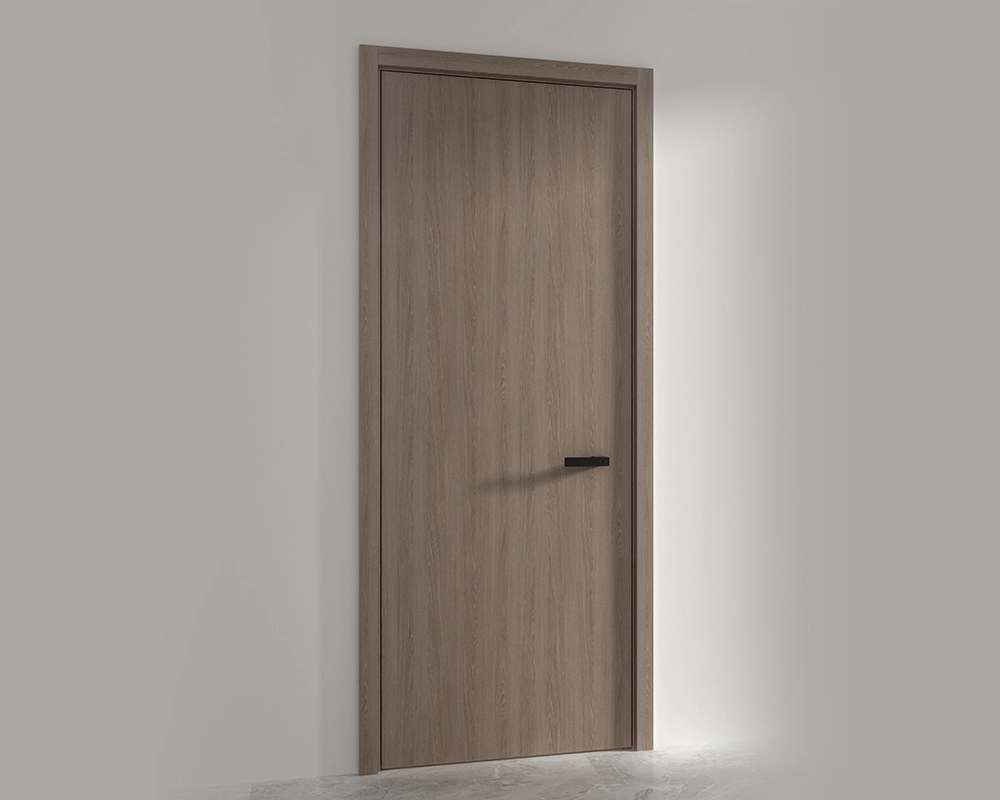
Flush panel door MA11
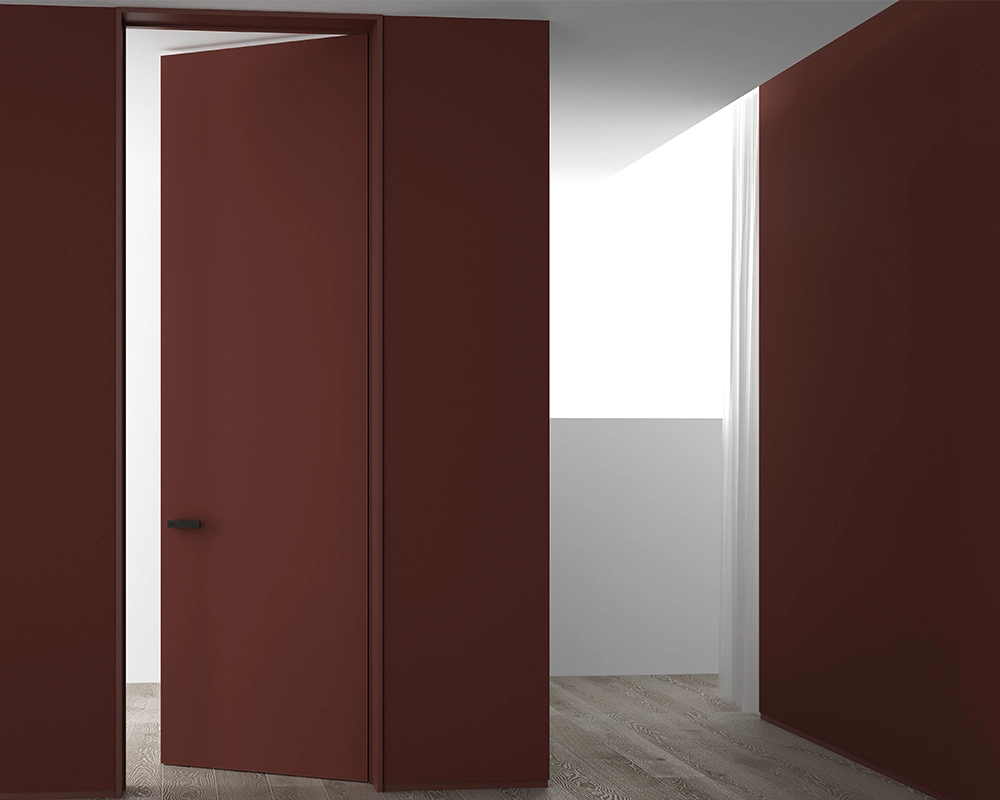
Siyun double wooden door MA12A
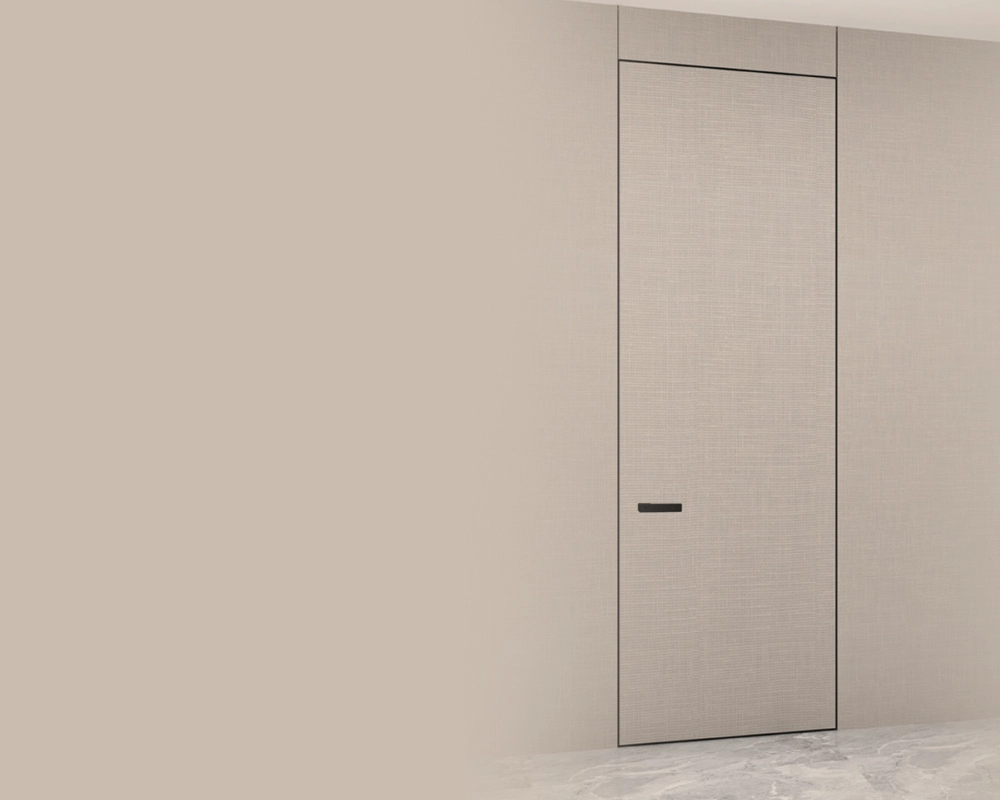
External flush right inward opening door MA13
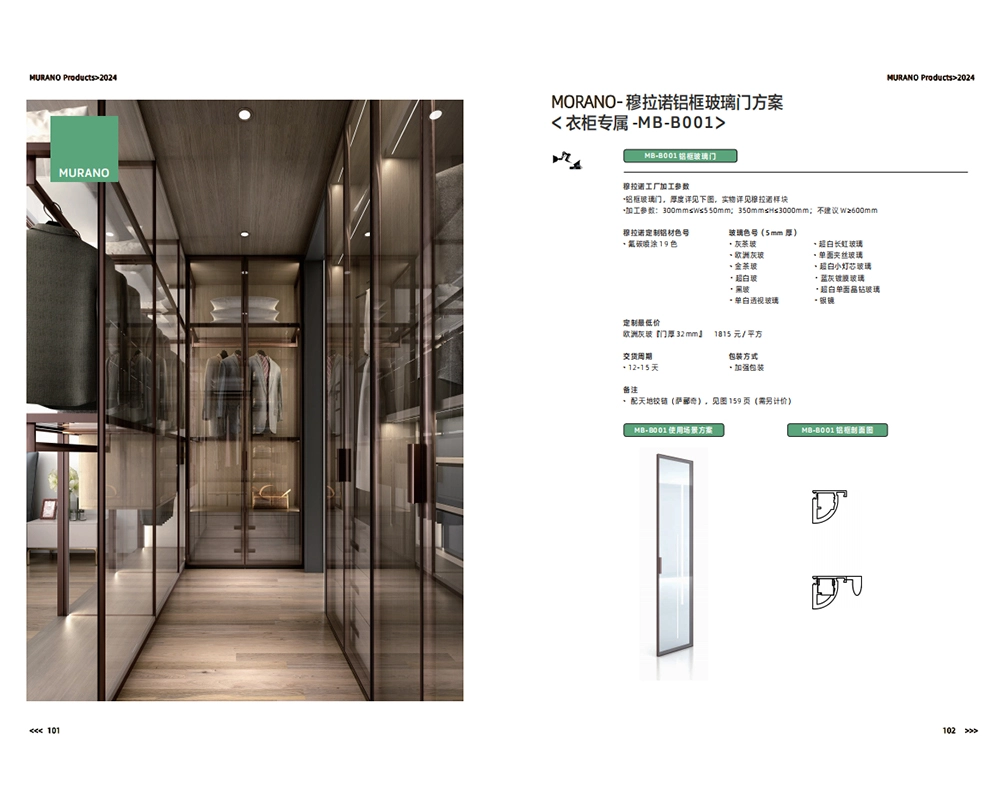
Aluminum Frame Glass Hinged Door - MBB001
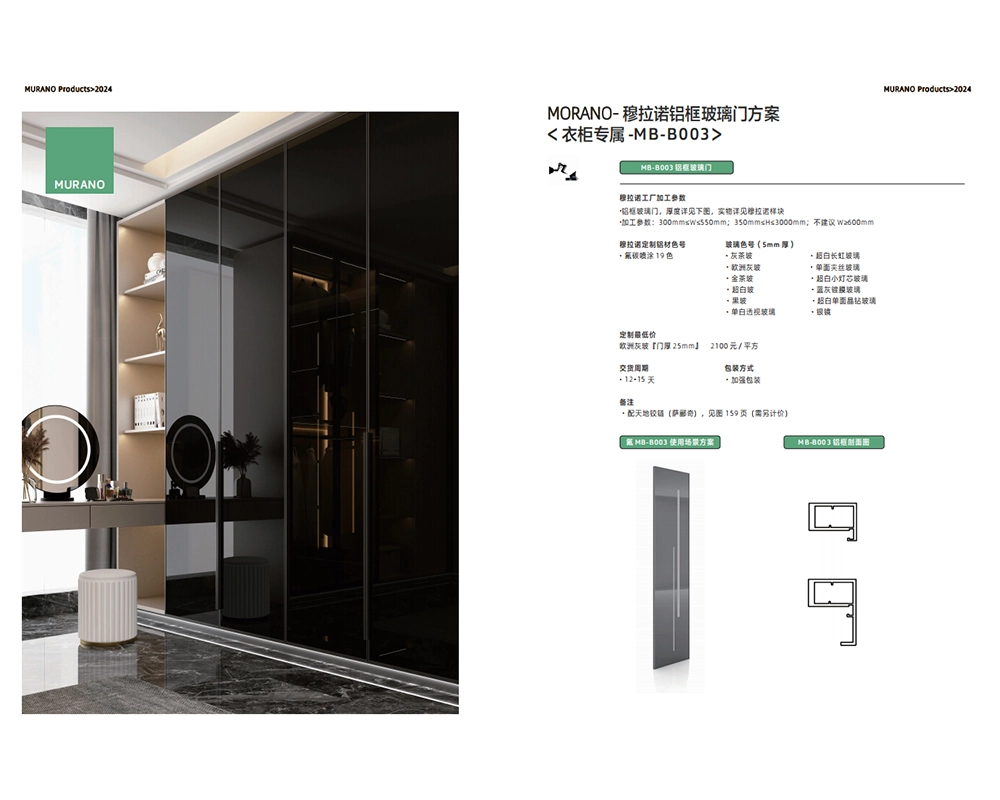
Aluminum Frame Glass Hinged Door - MBB003
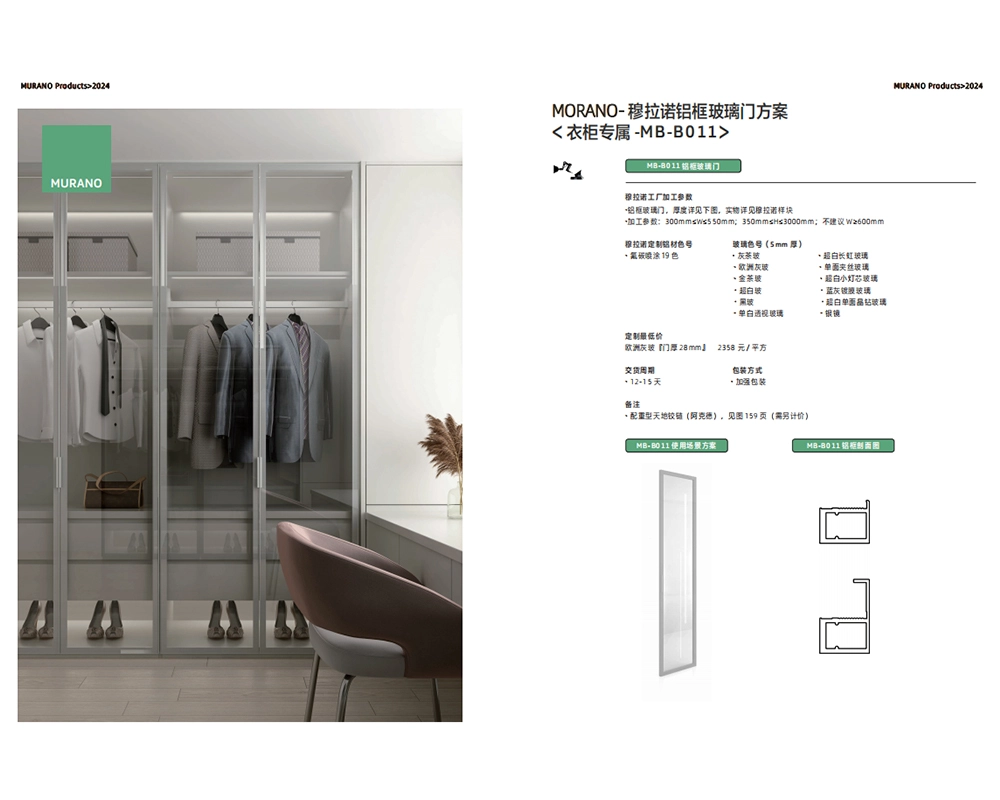
Aluminum Frame Glass Hinged Door - MBB011
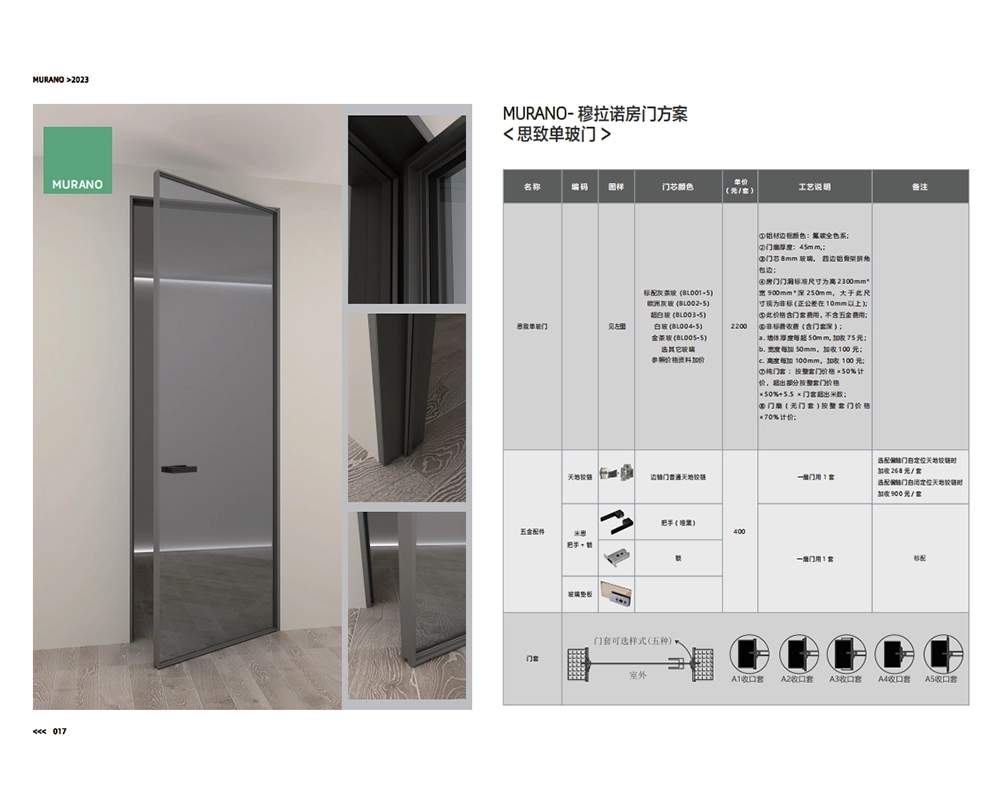
SZ Single side glass interior door
Request a Free Consultation And Price Estimate
Get in touch with Murano today for a personalized consultation, and let us bring your vision to life. Fill out the form below or contact Murano directly to start your journey toward a beautifully tailored home!"

 Scan QR Code
FoshanMuranoCabinet
foshanmuranocabinet
Whatsapp: +8618814138020
Scan QR Code