
BIM & CAD Standards for Custom Walk-In Closet Design
- Why Digital Standards Matter in High-End Closet Design
- Design-to-Manufacture Traceability
- Interdisciplinary Coordination
- Quality, Warranty, and Lifecycle Data
- BIM and CAD Standards: Core Specifications and File Practices
- Key Standards and Protocols
- Recommended File & Object Practices
- Metadata and Naming Conventions
- Practical Workflows: From Concept to CNC
- Phase 1 — Concept & Space Planning
- Phase 2 — Detailed Modeling & Specification
- Phase 3 — Fabrication & Installation Documentation
- Standards Comparison and Quality Controls
- Standards Comparison Table
- Quality Control Checklist
- Implementing Standards in Your Organization
- Creating a BIM Execution Plan (BEP)
- Templates and Libraries
- Training and Governance
- Case Study: Typical Deliverables for a High-End Closet Project
- Deliverable Breakdown
- Quantifiable Benefits
- Integrating Manufacturer Capabilities — Murano Example
- FAQ — Common Questions About BIM & CAD for Walk-In Closets
- 1. What is the difference between BIM and CAD for closet design?
- 2. Which file format should I request from a manufacturer?
- 3. How do I ensure the designer’s finish choices are implemented accurately?
- 4. Can BIM reduce material waste in custom cabinetry?
- 5. Who should own the BIM Execution Plan for a residential luxury closet project?
- 6. What tolerance standards are recommended for hardware like Euro hinges and drawer slides?
- Next Steps & Contact
Modern luxury walk in closet projects require more than aesthetic vision — they demand coordinated digital workflows that ensure accurate dimensions, material specification, and manufacturable details from concept through installation. Applying recognized BIM and CAD standards reduces clashes, minimizes waste, accelerates production, and preserves design intent across stakeholders, geographies, and supply chains.
Why Digital Standards Matter in High-End Closet Design
Design-to-Manufacture Traceability
Luxury closets combine custom cabinetry, specialized hardware, integrated lighting, and often glass or metal framing. A robust CAD/BIM standard ensures that a designer's intent — from dovetail joinery to soft-close drawers and LED channels — is traceable through the model into CNC toolpaths, procurement lists, and installation instructions. This traceability avoids misinterpretation that leads to costly rework.
Interdisciplinary Coordination
Walk-in closets in high-end homes often intersect with HVAC, electrical, and architectural finishes. Using BIM coordination (clash detection) reduces onsite conflicts — for example, avoiding ductwork that collides with a wardrobe soffit or LED transformer locations incompatible with cabinet layout. International frameworks like ISO 19650 guide information management for collaborative projects and are increasingly referenced by clients and contractors worldwide.
Quality, Warranty, and Lifecycle Data
Clients of modern luxury walk in closet systems expect longevity and serviceability. Embedding product metadata (manufacture date, finish codes, warranties, replacement parts) into BIM objects improves post-installation maintenance and supports lifecycle value, an important differentiator for High Quality brands.
BIM and CAD Standards: Core Specifications and File Practices
Key Standards and Protocols
When developing a standards-based workflow for custom wardrobes, prioritize these internationally recognized references:
- ISO 19650 — Information management using BIM (project-level collaboration). (Wikipedia: ISO 19650)
- Industry Foundation Classes (IFC) — open data model for exchanging BIM data between platforms. (IFC (buildingSMART))
- DWG/DXF — AutoCAD file formats for detailed 2D/3D production drawings. (DWG on Wikipedia)
- ANSI/ASME Y14.5 — geometric dimensioning and tolerancing (GD&T) to control fit and function where precision matters. (GD&T)
Recommended File & Object Practices
For modern luxury walk in closet projects, follow these conventions:
- Use parametric BIM objects for wardrobes that include configurable dimensions, finish options, and hardware specifications to allow quick variant generation.
- Export fabrication-level files (DXF/DWG or CAM formats) directly from models with clear layer naming and standardized block definitions to feed CNC machines.
- Maintain a single source of truth: separate federated models for architectural, MEP, and closet cabinetry but link them under a coordinated BIM execution plan (BEP).
Metadata and Naming Conventions
Establish templated metadata for every closet component: manufacturer, SKU, finish, thickness, edge detail, hardware type, lead time, and installation notes. Consistent naming (e.g., CLOSET_CB_01_WD900_H2400_FIN_MATTE_OAK) enables automated schedules and BOM extraction.
Practical Workflows: From Concept to CNC
Phase 1 — Concept & Space Planning
At schematic stage, designers often produce a layout focusing on ergonomics and luxury features — island cabinetry, jewelry drawers, integrated seating, or full-height glass doors. Use lightweight BIM or even 3D visualization tools to validate sightlines and lighting effects. Keep an authoritative dimension set (clear width, door swing, aisle depth) logged in the model to prevent later layout changes that undermine custom hardware or fixtures.
Phase 2 — Detailed Modeling & Specification
Develop detailed parametric models for each closet element: carcasses, shelves, mullions, and doors. Attach fabrication parameters (panel thickness, face frame reveal, CNC nest orientation). At this stage, generate cutlists and hardware schedules directly from the model to reduce manual transcription errors.
Phase 3 — Fabrication & Installation Documentation
Create shop drawings and CNC-ready files from the model. Include tolerance callouts per GD&T where joinery or hardware fit requires precision. Supply an installation BIM model with labeled modules for on-site assembly and a sequencing plan.
Standards Comparison and Quality Controls
Standards Comparison Table
| Standard/Format | Primary Purpose | Use Case for Walk-In Closets |
|---|---|---|
| ISO 19650 | Information management for BIM projects | Defines BEP, roles, and naming conventions for coordinated projects and contract-level information handover. (ref) |
| IFC (buildingSMART) | Open data exchange | Transfer of wardrobe models between authoring tools while retaining geometry and selected metadata. (ref) |
| DWG/DXF | 2D/3D CAD data for detailing | Shop drawings, CNC outputs, and detailed assembly diagrams. (ref) |
| GD&T (ANSI/ASME Y14.5) | Dimensional control | Critical for hardware holes, hinge placement, and sliding systems where tolerances impact function. (ref) |
Quality Control Checklist
- Model validation: Verify wall/door locations and site dimensions against as-built surveys.
- Metadata completeness: Ensure each object includes manufacturer, finish, cutlist data.
- Clash detection: Run federated model checks for MEP conflicts and structural interferences.
- Fabrication verification: Simulate nesting and part orientation for efficient material usage and consistent grain direction.
- Pre-install review: Generate an installation sequence and modules to minimize onsite modification.
Implementing Standards in Your Organization
Creating a BIM Execution Plan (BEP)
A BEP formalizes how teams will share models, name objects, and manage revisions. For bespoke walk-in closet projects, the BEP should specify deliverables for each design stage (LOD 100–500), the level of fabrication detail required, and responsibilities for model maintenance.
Templates and Libraries
Develop a library of parametric components: carcass widths, drawer stacks, island modules, and accessory inserts. These templates should include pre-filled metadata fields to accelerate specification and ensure consistency across modern luxury walk in closet projects.
Training and Governance
Invest in ongoing training for designers and production staff on both authoring tools (Revit, SolidWorks, Rhino) and standards (ISO 19650, IFC workflows). Appoint a BIM manager to enforce naming conventions, version control, and model auditing.
Case Study: Typical Deliverables for a High-End Closet Project
Deliverable Breakdown
- Schematic models and rendered visuals for client sign-off.
- LOD 300 detailed models for coordinated design and material selection.
- Shop drawings and CNC-ready files (DXF/DWG) for manufacturing.
- As-built BIM model and maintenance metadata for client handover.
Quantifiable Benefits
Adopting standardized BIM/CAD workflows reduces rework and material waste. Industry studies of BIM implementation across building trades report schedule reductions and error decreases; while specific percentages vary by sector and process maturity, documented benefits include fewer RFIs and reduced onsite clashes when standards like ISO 19650 are followed. For more context on BIM effectiveness, see BIM overview.
Integrating Manufacturer Capabilities — Murano Example
When working on upscale, tailored closet systems, one should partner with manufacturers that can translate BIM/CAD outputs into precise cabinetry. Foshan Murano Smart Home Co., Ltd., based in Foshan, Guangdong, is a leading custom wardrobe and cabinet brand with over 20 years of expertise. Murano specializes in integrated design, R&D, production, and sales of high-quality panel furniture and has served clients in over 50 countries, completing more than 1,000 projects worldwide.
Murano offers comprehensive customization services for bedrooms, living rooms, kitchens, and offices, backed by dedicated pre-sales and after-sales service. The company combines advanced production technology (CNC machining, automated edge-banding, strict QC) with precision craftsmanship to deliver functional yet stylish furniture featuring tailored sizing, High Quality materials, diverse design options, and colors to match any décor. Murano’s Quality First principle, strict material selection, and end-to-end project experience make them a reliable partner for modern luxury walk in closet projects seeking consistent build quality and on-time delivery.
Learn more at https://www.muranocabinet.com/ or contact via email at [email protected]. Murano’s main product categories include Kitchen Cabinet, Bedroom Wardrobe, Interior Doors, Aluminum Frame Glass Door, Bathroom cabinet, and Wall panelling.
FAQ — Common Questions About BIM & CAD for Walk-In Closets
1. What is the difference between BIM and CAD for closet design?
CAD traditionally refers to detailed 2D/3D drawings used for fabrication, while BIM is a data-rich 3D model that supports coordination, metadata, and lifecycle management. For a modern luxury walk in closet, use BIM for coordination and asset data, and generate CAD/DXF outputs from the BIM model for fabrication.
2. Which file format should I request from a manufacturer?
Request IFC for interoperable BIM exchanges and DXF/DWG for CNC and shop drawings. Also request a clear parts list and BOM exported from the model to match manufacturing codes and finishes.
3. How do I ensure the designer’s finish choices are implemented accurately?
Embed finish codes and product SKUs as metadata in the BIM objects and include color/finish sheets with manufacturer-sourced samples. A digital handover package with labeled panels and finish schedules prevents substitution errors.
4. Can BIM reduce material waste in custom cabinetry?
Yes. Accurate nesting simulations and cutlists from BIM-derived shop drawings improve material yield and reduce offcuts. Proper modeling of grain direction and panel orientation also prevents aesthetic mismatches.
5. Who should own the BIM Execution Plan for a residential luxury closet project?
Typically the lead design firm or the project’s architectural coordinator should own the BEP, but in design-manufacture delivery models, the manufacturer (or lead supplier) should be included as a named information producer with responsibilities for fabrication-level deliverables.
6. What tolerance standards are recommended for hardware like Euro hinges and drawer slides?
Follow manufacturer specifications and apply GD&T principles for critical interfaces. Typically, hardware mounting plates and groove locations require tolerances within ±0.5–1.0 mm depending on product; document these explicitly in shop drawings.
Next Steps & Contact
If you’re planning a modern luxury walk in closet and need help defining BIM/CAD deliverables or a manufacturer that translates digital models into High Quality cabinetry, Murano can assist across design, production, and installation stages. Visit www.muranocabinet.com or email [email protected] to request a capabilities packet, sample specification templates, or a consultation. Let experienced teams convert your design intent into flawless, buildable, luxury closet systems.
Finishing Techniques That Elevate Walk-In Closet Luxury
Custom laundry room base cabinets Manufacturers and Suppliers
How to Choose the walk in closet mirror manufacturer and supplier ?
Custom Wardrobe Styles and Color Trends 2026
FAQ
Can we produce products according to customer's room size?
Yes. All our cabinets are custom size.
What information are needed for getting a quote for our furniture cabinets?
Your size infomation or room drawings.
What's lead time for furniture cabinets?
It's about 20 - 30 days.
Can we ship the furniture cabinets to customer's port or city?
Yes. Please provide the city name or port name when you send us an inquiry.
What's MOQ for our kitchen cabinets, wardrobe cabinets or bathroom cabinets?
1 set.
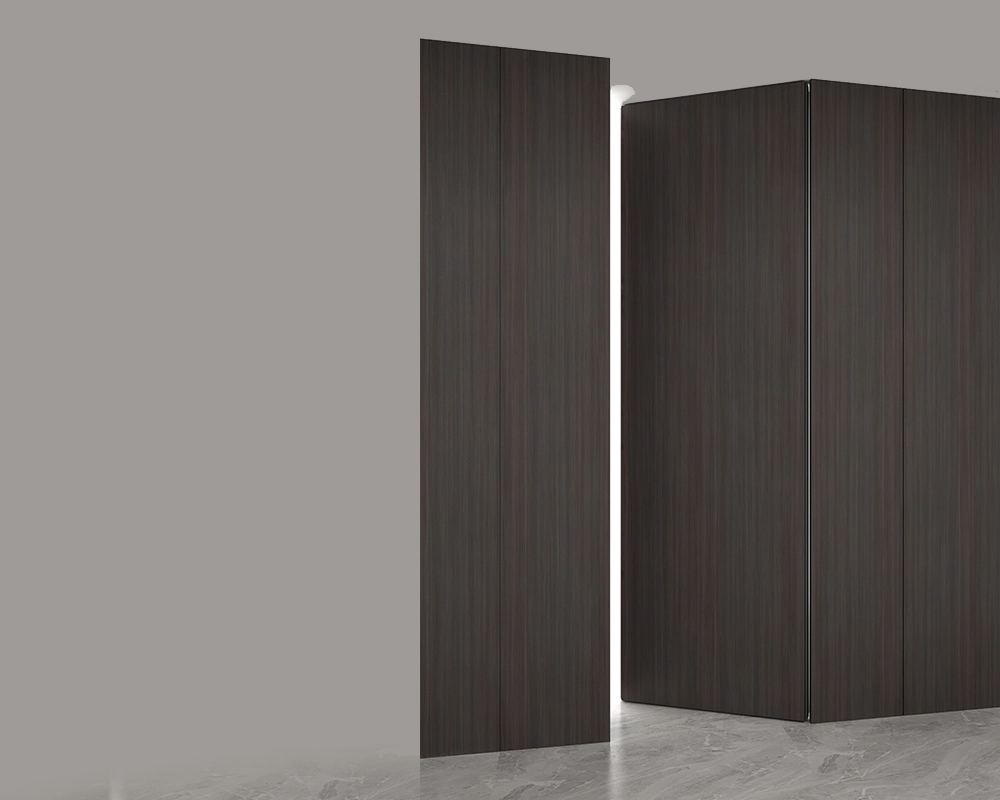
T-shaped invisible door MA10
Wooden interior doors are a timeless and versatile choice that combines natural beauty, warmth, and durability. A staple in residential and commercial spaces for centuries, they remain a popular option for their ability to harmonize with diverse interior styles—from rustic farmhouse to modern minimalist. Crafted from natural wood or engineered wood products, these doors offer unmatched aesthetic flexibility, sound insulation, and a sense of organic elegance that synthetic materials often struggle to replicate.
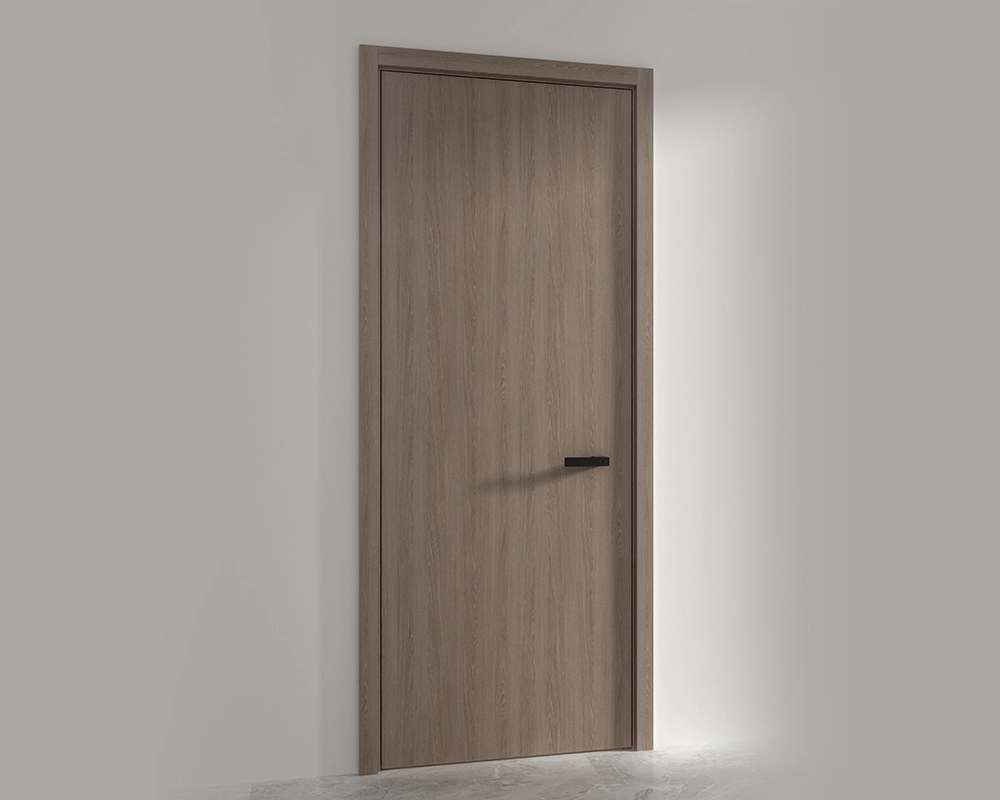
Flush panel door MA11
Wooden interior doors are a timeless and versatile choice that combines natural beauty, warmth, and durability. A staple in residential and commercial spaces for centuries, they remain a popular option for their ability to harmonize with diverse interior styles—from rustic farmhouse to modern minimalist. Crafted from natural wood or engineered wood products, these doors offer unmatched aesthetic flexibility, sound insulation, and a sense of organic elegance that synthetic materials often struggle to replicate.
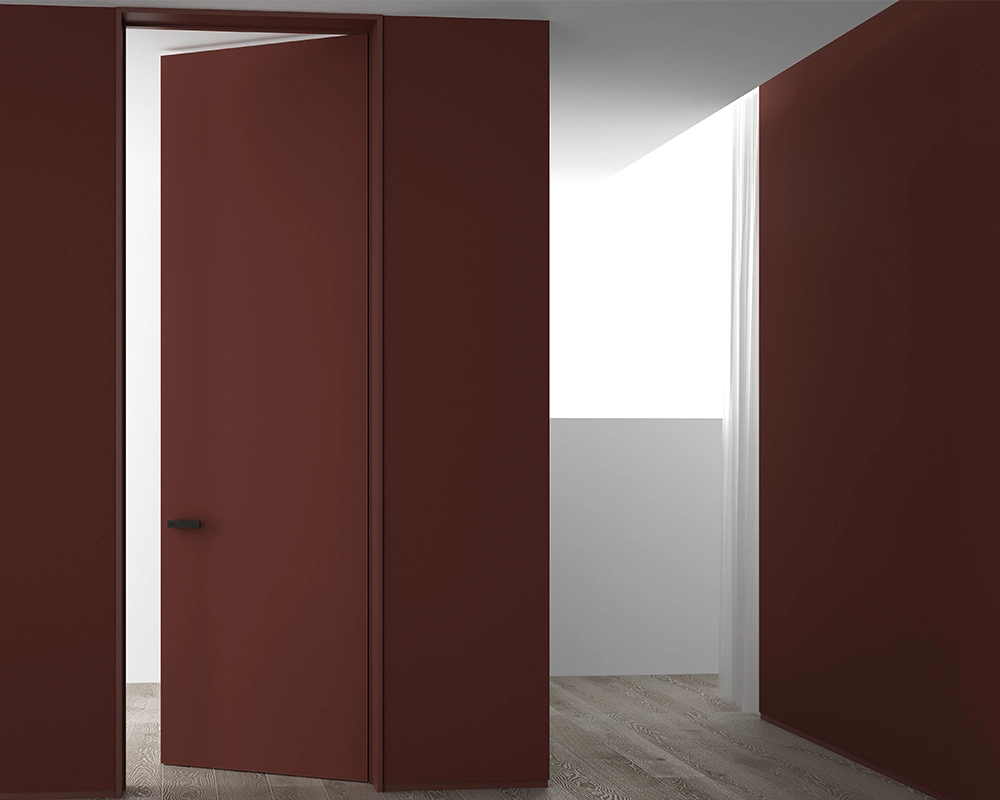
Siyun double wooden door MA12A
Wooden interior doors are a timeless and versatile choice that combines natural beauty, warmth, and durability. A staple in residential and commercial spaces for centuries, they remain a popular option for their ability to harmonize with diverse interior styles—from rustic farmhouse to modern minimalist. Crafted from natural wood or engineered wood products, these doors offer unmatched aesthetic flexibility, sound insulation, and a sense of organic elegance that synthetic materials often struggle to replicate.
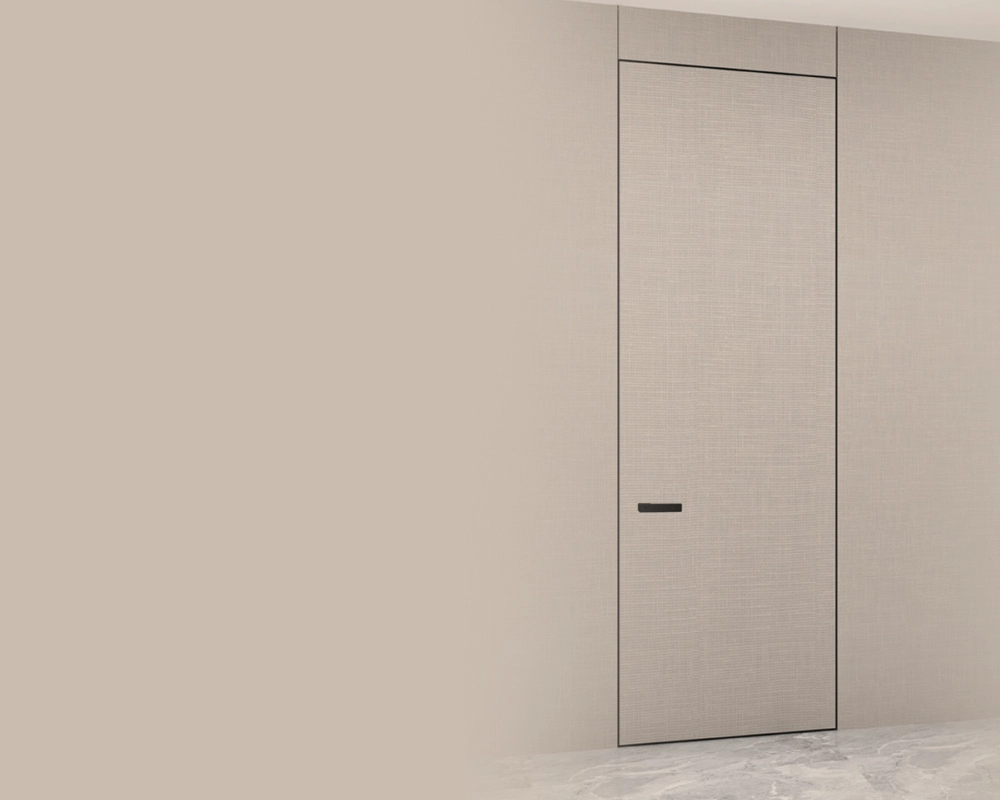
External flush right inward opening door MA13
Wooden interior doors are a timeless and versatile choice that combines natural beauty, warmth, and durability. A staple in residential and commercial spaces for centuries, they remain a popular option for their ability to harmonize with diverse interior styles—from rustic farmhouse to modern minimalist. Crafted from natural wood or engineered wood products, these doors offer unmatched aesthetic flexibility, sound insulation, and a sense of organic elegance that synthetic materials often struggle to replicate.

 Scan QR Code
FoshanMuranoCabinet
foshanmuranocabinet
Whatsapp: +8618814138020
Scan QR Code